
Understanding the Importance of a Balanced Plate
One of the first lessons I learned when focusing on weight management is that success doesn’t come from extreme diets or skipping meals—it comes from balance. A balanced plate ensures your body receives the right nutrients in the right proportions, helping you manage hunger, maintain energy, and support long-term health.
When I started paying attention to my meals, I realized that most of my previous plates were imbalanced. Large portions of refined carbs, minimal vegetables, and occasional protein left me feeling sluggish and hungry soon after eating. By intentionally designing balanced plates, I found I could control my weight while still enjoying satisfying meals.
The concept of a balanced plate is simple: fill half your plate with vegetables and fruits, one-quarter with lean protein, and one-quarter with whole grains or healthy carbs. Add a small amount of healthy fats, and you have a meal that supports weight management naturally.
Starting With a Colorful Vegetable Base
Vegetables are the foundation of a balanced plate. I make it a habit to fill at least half of my plate with a variety of vegetables. Not only do they provide fiber and essential nutrients, but they also help keep calorie intake in check by filling me up.
Some practical ideas I use:
- Leafy greens – Spinach, kale, and arugula make excellent salad bases.
- Cruciferous vegetables – Broccoli, cauliflower, and Brussels sprouts add texture and fiber.
- Colorful vegetables – Bell peppers, carrots, and tomatoes provide vitamins, antioxidants, and visual appeal.
I often roast or sauté vegetables with a little olive oil and spices. This makes them more flavorful without adding excessive calories. The fiber in vegetables slows digestion, stabilizes blood sugar, and helps me feel full longer.
Choosing Lean Protein Sources
Protein is essential for weight management. It helps maintain muscle mass, supports metabolism, and keeps hunger at bay. On my balanced plates, I dedicate roughly one-quarter of the plate to lean protein.
Some protein options I frequently include:
- Chicken or turkey breast – High in protein and low in fat.
- Fish and seafood – Salmon, tuna, or shrimp provide protein and omega-3 fatty acids.
- Plant-based proteins – Lentils, beans, chickpeas, and tofu are excellent vegetarian options.
- Eggs – Versatile and quick to cook.
I often pair proteins with vegetables to create a balanced meal. For example, a salmon fillet with roasted Brussels sprouts and quinoa makes a satisfying plate that’s both nutritious and filling.
Incorporating Whole Grains and Healthy Carbs
While some diets eliminate carbs entirely, I’ve learned that including healthy carbohydrates in the right portion supports energy and helps maintain a balanced diet. Whole grains provide fiber, vitamins, and minerals while preventing blood sugar spikes.
Some of my go-to carb sources include:
- Brown rice or quinoa – Great bases for bowls or stir-fries.
- Whole wheat pasta – Provides sustained energy without refined flour.
- Sweet potatoes – Naturally sweet and nutrient-rich.
- Oats – Excellent for breakfast or as a side in savory dishes.
Portion control is key. I typically fill about one-quarter of my plate with whole grains or starchy vegetables. This approach helps manage calories without sacrificing satiety or flavor.
Adding Healthy Fats in Moderation
Fats are often misunderstood in weight management. Healthy fats support hormone production, nutrient absorption, and satiety. On my plates, I include fats sparingly but deliberately.
Some healthy fat sources I rely on:
- Avocado – Creamy and nutrient-dense.
- Nuts and seeds – Almonds, walnuts, chia seeds, and flaxseeds.
- Olive or avocado oil – For cooking or drizzling over salads.
- Fatty fish – Salmon, mackerel, or sardines for omega-3s.
I usually measure out small portions or drizzle oils instead of pouring. These fats make meals satisfying and flavorful, which reduces the likelihood of overeating.
Building Balanced Plates With Portion Control
Beyond choosing the right foods, portion control is critical for weight management. I’ve found that visual cues help me assemble balanced plates without constantly counting calories.
A simple method I follow is the “half-and-quarter” approach:
- Half the plate: Non-starchy vegetables and fruits
- One-quarter: Lean protein
- One-quarter: Whole grains or starchy vegetables
- Small garnish: Healthy fats
This approach ensures a balanced distribution of nutrients while keeping calories manageable. For extra precision, I sometimes use smaller plates to naturally control portions.
Adding Flavor Without Extra Calories
One of the challenges of weight management is keeping meals enjoyable without overloading on calories. I focus on using herbs, spices, and low-calorie condiments to enhance flavor.
Some techniques I use:
- Herbs – Basil, cilantro, parsley, and thyme.
- Spices – Paprika, turmeric, cumin, and black pepper.
- Citrus – Lemon or lime juice brightens flavors.
- Low-sodium sauces – Mustard, salsa, or hot sauce adds excitement.
By using these flavor boosters, I make balanced plates more appealing and avoid relying on heavy sauces or excessive salt that could sabotage weight goals.
Quick Balanced Plate Ideas for Breakfast
Breakfast is an excellent opportunity to start the day with a balanced plate. I often create plates that combine protein, fiber, and healthy fats for sustained energy.
Some examples I use:
- Greek yogurt bowl – Greek yogurt with berries, chia seeds, and a drizzle of honey.
- Egg and vegetable scramble – Eggs cooked with spinach, tomatoes, and mushrooms, served with a slice of whole-grain toast.
- Oatmeal with nuts – Oats cooked with almond milk, topped with nuts and a few slices of banana.
These breakfasts are simple to prepare, satisfying, and set a healthy tone for the rest of the day.
Balanced Plates for Lunch and Dinner
For lunch and dinner, I focus on variety and nutrient density. Balanced plates don’t have to be complicated; a few simple components create satisfying meals.
Some combinations I rely on:
- Grilled chicken, quinoa, and roasted vegetables
- Baked salmon, sweet potato, and steamed broccoli
- Stir-fried tofu with brown rice and colorful vegetables
- Bean salad with avocado, cherry tomatoes, and spinach
I often prepare proteins and grains in advance to make assembling balanced plates during the week easier. This approach saves time and ensures consistency in portion control and nutrition.
Using Bowls for Convenience and Variety
I’ve found that building balanced plates in bowls makes portion control and meal prep easier. Grain bowls or salad bowls allow for layering of ingredients while maintaining balance.
Some tips for creating bowls:
- Start with a base of greens or grains
- Add protein on one side
- Include a variety of colorful vegetables
- Drizzle with healthy fat or dressing
Bowls also make it easy to mix flavors and textures while keeping each component visually distinct, which helps maintain interest in meals throughout the week.
Snacks That Complement Balanced Plates
Snacks can support weight management when chosen carefully. I use snacks to bridge meals and maintain energy without derailing balanced eating.
Some healthy snack ideas:
- Vegetable sticks with hummus
- Hard-boiled eggs
- A small handful of nuts
- Fruit slices with a spoon of nut butter
- Greek yogurt with a sprinkle of seeds
These snacks are nutrient-dense, filling, and complement balanced plates rather than replacing them.
Planning Ahead for Consistency
One of the most effective strategies I use for weight management is meal planning. Preparing ingredients in advance ensures that balanced plates are always achievable, even on busy days.
Some practical steps:
- Chop vegetables for the week and store in airtight containers
- Cook proteins in bulk and portion them out
- Prepare grains or starches ahead of time
- Keep healthy fats like nuts and avocado on hand
By doing this, assembling balanced plates becomes second nature. Consistency is easier when the kitchen is stocked and ready.
Common Mistakes to Avoid
Even with the best intentions, there are pitfalls that can undermine balanced plate efforts. I’ve learned to watch out for these:
- Overloading on carbs – Even whole grains can contribute to excess calories if portions aren’t controlled.
- Skipping fats – Avoid extremely low-fat plates; healthy fats are essential for satiety and nutrient absorption.
- Neglecting vegetables – A small plate of protein and carbs without vegetables misses out on fiber and micronutrients.
- Relying on processed foods – Even “healthy” packaged foods can disrupt calorie control and nutrient balance.
Being mindful of these common mistakes helps maintain consistent progress in weight management.
Conclusion
Building balanced plates is the cornerstone of effective and sustainable weight management. By filling half of your plate with vegetables and fruits, one-quarter with lean protein, and one-quarter with whole grains or starchy vegetables, while adding a small amount of healthy fats, you create meals that are both satisfying and nutritious.
The key is simplicity, consistency, and preparation. Using herbs, spices, and fresh produce keeps meals flavorful and enjoyable without extra calories. Planning ahead, portion control, and mindful assembly make it easy to stay on track, even on busy days.
Over time, balanced plates become second nature. This approach not only supports weight management but also promotes long-term health, energy, and overall wellbeing.
FAQs
1. What is a balanced plate for weight management?
A balanced plate includes half vegetables and fruits, one-quarter lean protein, one-quarter whole grains or starchy vegetables, and a small portion of healthy fats.
2. Can balanced plates help with weight loss?
Yes. Balanced plates control portion sizes, stabilize blood sugar, and increase satiety, making it easier to manage calories and lose weight.
3. How do I make meals satisfying without overeating?
Include protein, fiber-rich vegetables, and healthy fats. These components slow digestion and keep you full for longer.
4. Are snacks necessary when building balanced plates?
Healthy snacks can support energy and prevent overeating at main meals. Opt for nutrient-dense choices like nuts, fruit, or yogurt.
5. How can I maintain variety on balanced plates?
Rotate proteins, grains, and vegetables. Experiment with herbs, spices, and preparation methods like roasting, steaming, or stir-frying to keep meals interesting.
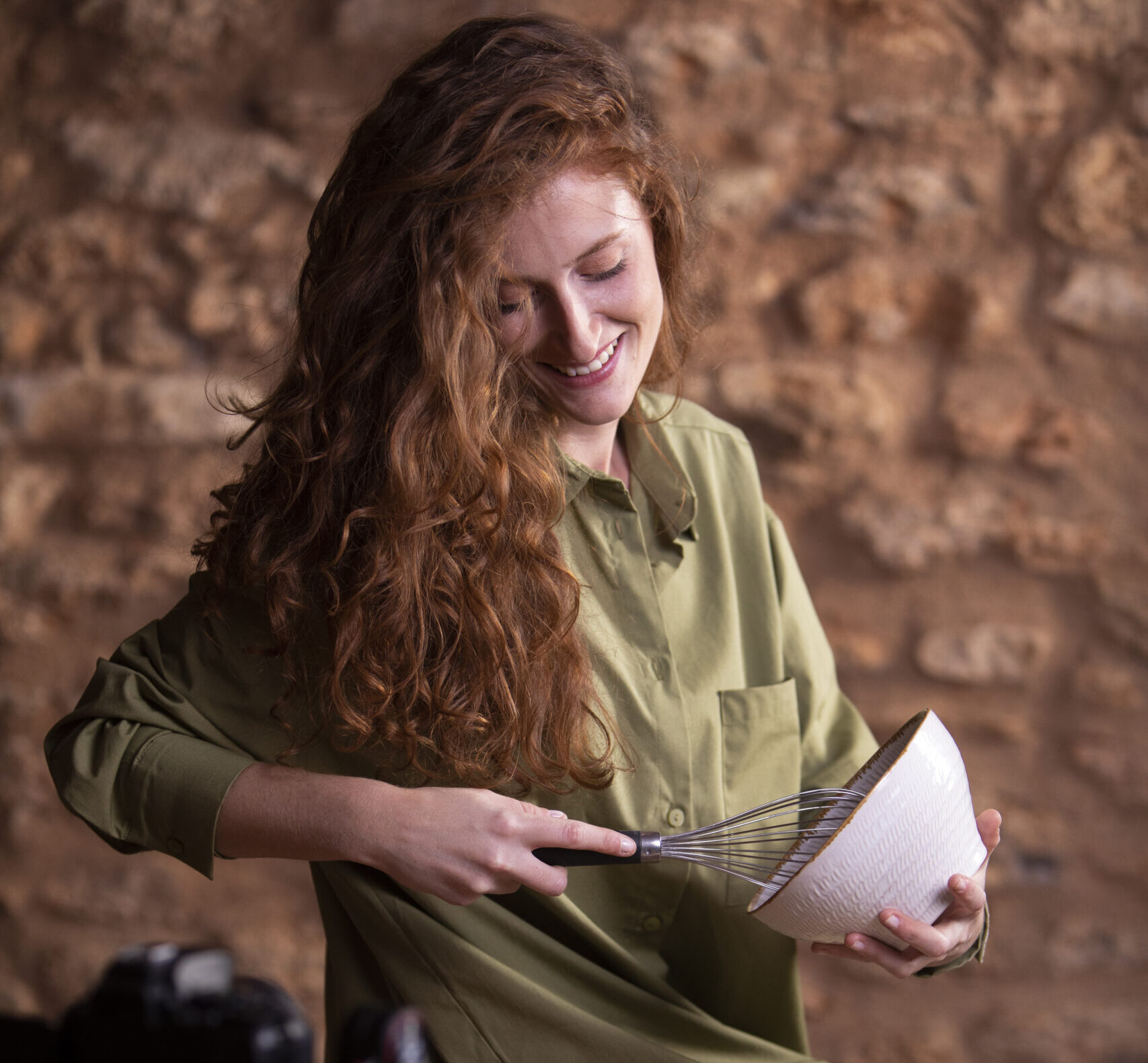
Olivia Dawson is a food writer and recipe developer focused on creating clear, practical, and family-friendly cooking content. She specializes in approachable recipes made with everyday ingredients and well-explained methods that support confident cooking. Through Recipes With Olivia, Olivia shares thoughtfully crafted meal ideas designed to be reliable, enjoyable, and easy to recreate in everyday kitchens.