
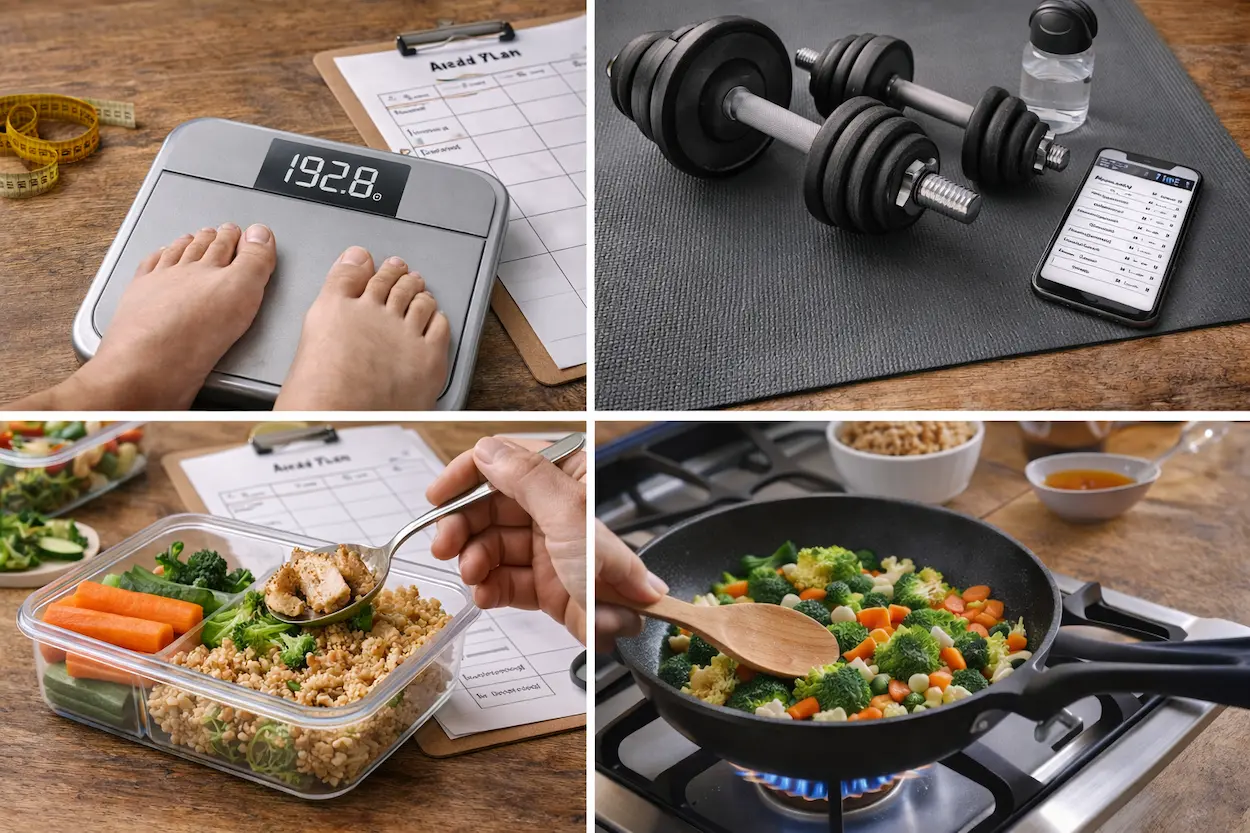
There was a point in my kitchen when everything felt repetitive. I was cooking lighter meals, choosing healthier snacks, and being mindful of portions, yet the progress I once felt suddenly slowed down. Meals that once helped me feel energized and confident began to feel routine, and the results I expected simply stopped showing up. If you’ve ever felt like your efforts suddenly stopped working, you’re not alone. Many home cooks and everyday meal planners reach this stage where motivation drops and confusion rises.
For me, the biggest turning point wasn’t extreme dieting or complicated meal plans. It was realizing that small kitchen habits had quietly become predictable. I was cooking the same meals, using the same ingredients, and unintentionally removing the variety that once kept things balanced. This article shares the practical changes I made in my cooking routine when progress stalled and how simple adjustments brought back balance, motivation, and enjoyment in the kitchen.
Why Progress Slows Down Even When You Cook Healthy
Understanding why things stopped working helped me make smarter changes instead of guessing. The issue wasn’t effort—it was repetition, hidden habits, and lack of flexibility in my meals.
Repeating the Same Meals Too Often
At first, repeating meals felt efficient. I had a small list of “safe meals” I trusted. But over time, this routine became too predictable. When we cook the same recipes every week, we stop challenging our cooking habits. Our portion sizes grow without noticing, and meals become less satisfying because there’s no excitement.
Variety matters more than we think. Rotating ingredients and trying new cooking methods can refresh motivation and improve balance in daily meals.
Portions Slowly Getting Bigger
One of the biggest surprises for me was realizing how portions quietly increased. Extra spoonfuls of rice, slightly larger snacks, and generous cooking oils added up over time. Nothing felt excessive in the moment, but small changes repeated daily can make a noticeable difference.
Cooking at home gives us control, but it also gives us the freedom to accidentally over-serve ourselves.
Healthy Foods Can Still Become Habit Foods
Another important lesson was learning that even balanced meals can become routine comfort foods. When meals stop feeling satisfying, we unconsciously look for extra snacks or desserts later.
This is where small kitchen adjustments make a big difference.
If you want ideas for building more balanced plates, you might enjoy reading my guide on how I build balanced plates for weight management, which shares simple ways to keep meals satisfying without overthinking them.
Small Kitchen Changes That Made a Big Difference
Instead of making drastic changes, I focused on realistic adjustments that felt sustainable in everyday cooking.
Bringing Back Meal Variety
The first change I made was introducing a weekly rotation system. Each week, I tried one new breakfast, one new snack, and one new dinner idea. This kept meals interesting without feeling overwhelming.
Variety helped in two ways:
- Meals felt exciting again
- I stopped relying on the same comfort foods
Even small ingredient swaps can refresh familiar dishes and keep cooking enjoyable.
Rethinking Cooking Oils and Sauces
I realized that sauces and oils were quietly increasing the richness of meals. Instead of removing them completely, I learned to use lighter cooking methods like grilling, baking, and air frying.
Flavor doesn’t need to disappear — it just needs balance.
Adding More Texture to Meals
Meals became more satisfying when I started focusing on texture. Crunchy vegetables, creamy yogurt sauces, and roasted ingredients made meals feel complete. Satisfaction matters because it reduces the urge to snack later.
Step-by-Step Changes That Restarted My Progress
These practical steps helped me reset my cooking routine without stress or strict rules.
1. I Started Planning Meals Around Balance
Instead of planning meals around calories or restrictions, I began planning meals around balance. Every plate included a mix of protein, fiber, and comforting carbs. This simple approach kept meals filling and enjoyable.
2. I Stopped Skipping Breakfast
Skipping breakfast was one habit that quietly affected the rest of the day. When I started cooking simple, warm breakfasts again, my energy improved and unnecessary snacking decreased.
If you need ideas, check out breakfast options that keep you full on busy mornings for simple and practical inspiration.
3. I Upgraded My Snack Routine
Snacks went from random choices to intentional mini-meals. I began pairing fruit with protein, or yogurt with nuts, instead of grabbing quick sugary treats.
This single change helped stabilize my daily eating habits more than I expected.
4. I Focused on Cooking Enjoyable Dinners Again
Dinner became something I looked forward to instead of a rushed task. I experimented with new spices, fresh herbs, and easy cooking techniques.
If dinner ideas feel repetitive, you may like easy, weight-friendly dinner ideas for busy lives, which helped me refresh my weekly dinner rotation.
What Changed in My Kitchen Mindset
Instead of treating cooking as a task, I began treating it as a daily reset. This mental shift made the biggest difference.
Cooking Became Flexible Instead of Strict
I stopped labeling foods as “good” or “bad.” Instead, I focused on balance and enjoyment. This mindset made cooking feel relaxed and sustainable.
I Started Listening to Hunger Cues
Cooking taught me to trust my hunger and fullness cues again. Some days I needed larger meals, and some days I didn’t. Flexibility reduced stress and made meals feel natural.
Enjoyment Became a Priority Again
Food is meant to be enjoyed. When meals became exciting again, everything else fell into place naturally.
Lessons Learned From My Own Kitchen Routine
This journey taught me that small changes create lasting results.
In my experience, the biggest progress happened when I stopped chasing perfection and focused on consistency. Cooking became easier when I allowed flexibility and variety instead of strict routines.
What worked for me was adding new meals gradually instead of changing everything at once. Small weekly changes felt manageable and realistic.
One mistake I made was waiting too long to refresh my meal routine. I stayed stuck in repetitive habits because they felt comfortable. Once I introduced variety, cooking felt exciting again.
Common Mistakes to Avoid
- Cooking the same meals every week without variety
- Skipping meals and overeating later
- Ignoring portion sizes when cooking at home
- Removing favorite foods completely instead of balancing them
- Relying on snacks instead of balanced meals
- Expecting instant results instead of focusing on consistency
Pro Tips From My Kitchen
- Keep a “rotation list” of new recipes to try weekly
- Use smaller plates when serving meals at home
- Add fresh herbs to make simple meals feel special
- Prepare snacks ahead to avoid random cravings
- Cook extra portions of balanced meals for busy days
- Experiment with spices to keep meals exciting
FAQs
1. Why does progress stop even when meals are healthy?
When meals become repetitive, portions slowly increase and satisfaction decreases. Small variety and portion changes often restart progress.
2. Do I need to completely change my meal routine?
No, small gradual changes work better than big sudden changes. Focus on adding variety and balance instead of replacing everything.
3. Is skipping breakfast a big issue?
It can lead to increased hunger later in the day. A simple, balanced breakfast helps maintain steady energy and better meal choices.
4. How often should I introduce new recipes?
Trying one or two new recipes weekly is enough to keep meals exciting without feeling overwhelming.
5. Can snacks still be part of a balanced routine?
Yes, intentional snacks that include protein or fiber can support daily balance and prevent overeating later.
Conclusion
When my progress stopped, the solution wasn’t extreme dieting or complicated meal plans. It was simple kitchen changes, better meal variety, and a refreshed mindset around cooking. Small adjustments helped bring balance, enjoyment, and confidence back into my daily meals.
If you’re feeling stuck, remember that progress often returns when we refresh our habits instead of forcing strict routines. Start small, stay consistent, and most importantly, keep enjoying the process of cooking.
Olivia Dawson is a food writer and recipe developer focused on creating clear, practical, and family-friendly cooking content. She specializes in approachable recipes made with everyday ingredients and well-explained methods that support confident cooking. Through Recipes With Olivia, Olivia shares thoughtfully crafted meal ideas designed to be reliable, enjoyable, and easy to recreate in everyday kitchens.