
You know the feeling: mid-afternoon hits, and you’re starving. You grab a snack—maybe a granola bar, some crackers, or a handful of chips—thinking it will tide you over until dinner. Ten minutes later, you’re hungry again. It’s frustrating and confusing. You’re eating “snacks,” which should keep you energized, but somehow, they never satisfy.
If this scenario sounds familiar, you’re not alone. Snacks can be tricky—they’re meant to bridge meals and provide energy, but many snacks don’t address the real needs of your body. Understanding why snacks often fail to fill you up and how to make smarter choices can help you feel satisfied, reduce cravings, and even support your weight management goals.
Why Your Snacks Aren’t Satisfying
Snacks Are Often Too Low in Protein
The Role of Protein in Satiety
Protein is one of the most important nutrients for feeling full. It slows digestion, stabilizes blood sugar, and signals to your brain that your body has enough fuel. Many popular snacks—like chips, pretzels, or sugary granola bars—are high in carbs but low in protein. This imbalance can leave you hungry shortly after eating.
Protein-Rich Snack Ideas
- Greek yogurt with a sprinkle of nuts
- Hard-boiled eggs
- Roasted chickpeas
- Low-fat cheese sticks
Incorporating these options can transform snack time from a short-term sugar fix into a more satisfying mini-meal.
Snacks Often Lack Fiber
Why Fiber Matters
Fiber adds bulk to your meals, slows digestion, and keeps your stomach feeling fuller longer. Many convenience snacks, like crackers, rice cakes, or even some granolas, are low in fiber. Without enough fiber, you’ll feel hungry again quickly.
Fiber-Packed Snack Alternatives
- Fresh fruit like apples or berries
- Veggie sticks with hummus
- Air-popped popcorn
- Whole-grain toast with nut butter
Fiber-rich snacks not only fill you up but also improve digestion and overall nutrition.
Snacks Are High in Refined Carbs and Sugar
Refined carbs and sugar can cause a rapid spike in blood sugar, followed by a quick crash. This can make you feel hungrier than before you ate. Snack foods like candy, pastries, or sugary drinks often create this cycle of temporary energy followed by sudden cravings.
To avoid this, combine carbohydrates with protein, healthy fats, and fiber. For example, pairing an apple with almond butter balances blood sugar and prolongs satiety.
Portion Sizes Are Often Misleading
Even “healthy” snacks can become problematic if portions aren’t controlled. A handful of nuts or granola can quickly add hundreds of calories. Eating straight from the bag also encourages mindless eating, making it easy to consume far more than intended.
A practical solution is pre-portioning snacks into small containers or zip-lock bags. This makes it easier to enjoy a controlled amount without overdoing it.
Mindless Eating Reduces Satisfaction
Eating while distracted—scrolling through your phone, working at your desk, or watching TV—prevents your brain from registering fullness. Mindless snack consumption often leads to finishing a snack without even realizing how much you ate.
Slowing down and focusing on your snack can increase satisfaction and prevent overeating.
Step-by-Step Solutions to Satisfying Snacks
Step 1: Prioritize Protein and Fiber
Start by including a source of protein and fiber in every snack. This combination slows digestion and keeps hunger at bay.
Examples:
- Greek yogurt with berries and chia seeds
- Veggie sticks with hummus or cottage cheese
- Apple slices with almond or peanut butter
Adding protein and fiber transforms snacks into mini-meals that truly satisfy.
Step 2: Include Healthy Fats in Moderation
Healthy fats are calorie-dense but crucial for satiety. Adding a small amount of nuts, seeds, avocado, or olive oil can make a snack more satisfying. Remember to control portions, as fats are concentrated in calories.
For instance, pair carrot sticks with 1–2 tablespoons of hummus instead of consuming an entire tub at once.
Step 3: Hydrate Before Snacking
Sometimes, what feels like hunger is actually thirst. Drinking a glass of water or herbal tea before reaching for a snack can help you gauge whether your body truly needs food.
In my experience, even mild dehydration can trigger mid-afternoon cravings. Keeping a water bottle nearby can help you distinguish between thirst and hunger.
Step 4: Plan Snacks Like Mini-Meals
Rather than grabbing whatever is convenient, prepare snacks with intention. Include protein, fiber, and healthy fats in balanced portions.
You can also explore simple snack recipes to boost energy fast to make homemade snacks that are quick, tasty, and satisfying. Preparing snacks ahead of time reduces reliance on processed options.
Step 5: Make Smart Swaps
Small swaps in your snacks can drastically improve satiety and nutrition. Replace:
- Chips → Roasted chickpeas or air-popped popcorn
- Candy → Dark chocolate with almonds
- White crackers → Whole-grain crackers with hummus
These swaps are easy to integrate into everyday life and help you stay full longer without sacrificing flavor. For more ideas, check out healthy ingredient swaps for everyday cooking.
Step 6: Practice Mindful Eating
Set aside time to enjoy your snack without distractions. Focus on taste, texture, and aroma. Eating slowly allows your brain to register fullness, reducing the likelihood of reaching for a second snack unnecessarily.
Mindful eating also increases enjoyment, making snacks more satisfying and less likely to trigger cravings.
Practical Insights from Real Experience
In my own journey, one mistake I made was relying heavily on packaged “healthy” snacks like granola bars and flavored rice cakes. They were convenient but left me hungry within minutes. What worked for me was shifting to snacks that combine protein, fiber, and healthy fats.
For example, making a small snack plate with boiled eggs, carrot sticks, and a few almonds kept me satisfied for hours. I also started prepping snacks ahead of time, so when mid-afternoon hunger hit, I reached for a planned mini-meal instead of mindlessly grabbing chips.
Over time, these changes not only improved satiety but also reduced cravings and helped me feel more in control of my eating habits.
Common Mistakes to Avoid
- Choosing snacks based on convenience rather than satiety
- Skipping protein and fiber in snacks
- Eating while distracted by screens or work
- Overeating “healthy” snacks without portion control
- Ignoring hydration before reaching for food
- Relying heavily on refined carbs and sugar
- Eating out of boredom or stress rather than true hunger
Pro Tips for More Satisfying Snacks
- Rotate snack options weekly to prevent monotony
- Use small bowls or containers to pre-portion snacks
- Pair a high-fiber food with a protein source for maximum satiety
- Include colorful vegetables to make snacks visually appealing and nutrient-rich
- Experiment with homemade snacks like roasted chickpeas, yogurt parfaits, or fruit & nut mixes
- If you’re short on time, beginner-friendly snack recipes for any time offer quick solutions that balance taste and nutrition
Conclusion
Snacks don’t always fill you up because they’re often missing the key components your body needs: protein, fiber, and healthy fats. Mindless eating, refined carbs, and portion mismanagement also contribute to persistent hunger.
By making small, intentional changes—like including protein and fiber, preparing snacks in advance, practicing mindful eating, and making smart ingredient swaps—you can enjoy satisfying snacks that truly keep you full. Snacks don’t have to be empty calories or fleeting fixes; with planning and creativity, they can support your nutrition goals, boost energy, and help manage hunger between meals.
Remember, the goal is balance, not perfection. Experiment with combinations, listen to your body, and enjoy snacks that nourish and satisfy—without leaving you hungry an hour later.
FAQs
1. Why do I still feel hungry after healthy snacks?
Many snacks are low in protein, fiber, or healthy fats, which are crucial for satiety. Combining these elements in a snack helps keep hunger away.
2. Can portion control really make a difference?
Yes. Even healthy snacks can add up in calories if portions are too large. Pre-portioning helps prevent overeating.
3. Are sweet snacks always bad?
Not necessarily. Pairing small portions of natural or minimally processed sweet foods, like fruit with yogurt, with protein and fiber can satisfy cravings without causing rapid sugar crashes.
4. How can I make snacks more filling without adding too many calories?
Focus on fiber-rich vegetables and fruits, lean proteins, and moderate healthy fats. Preparing snacks with these components balances nutrition and satiety.
5. Should I avoid snacking completely to manage hunger?
Not at all. Snacks can be beneficial if planned wisely. The key is choosing snacks that satisfy hunger, provide nutrients, and prevent overeating later.
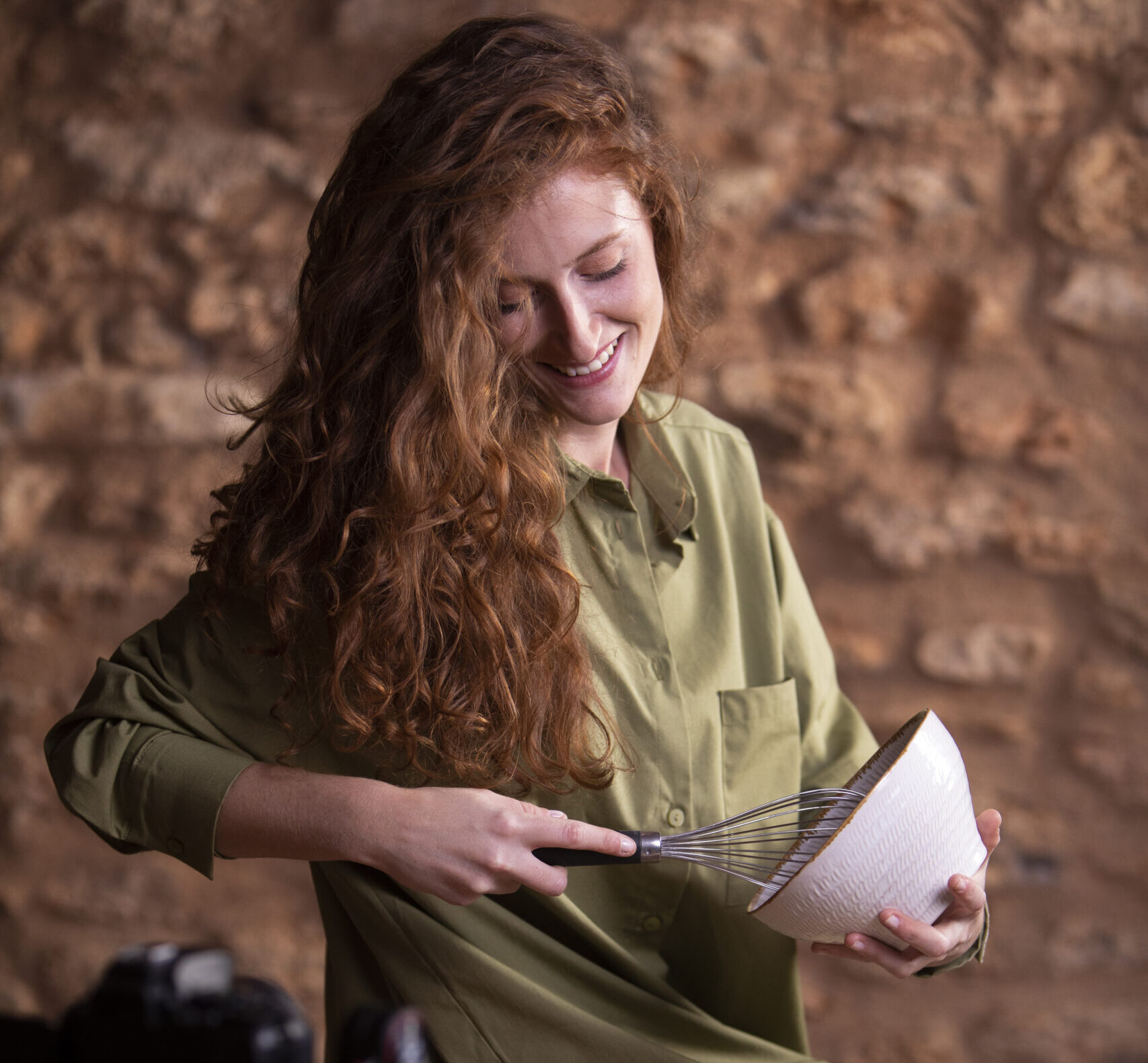
Olivia Dawson is a food writer and recipe developer focused on creating clear, practical, and family-friendly cooking content. She specializes in approachable recipes made with everyday ingredients and well-explained methods that support confident cooking. Through Recipes With Olivia, Olivia shares thoughtfully crafted meal ideas designed to be reliable, enjoyable, and easy to recreate in everyday kitchens.