
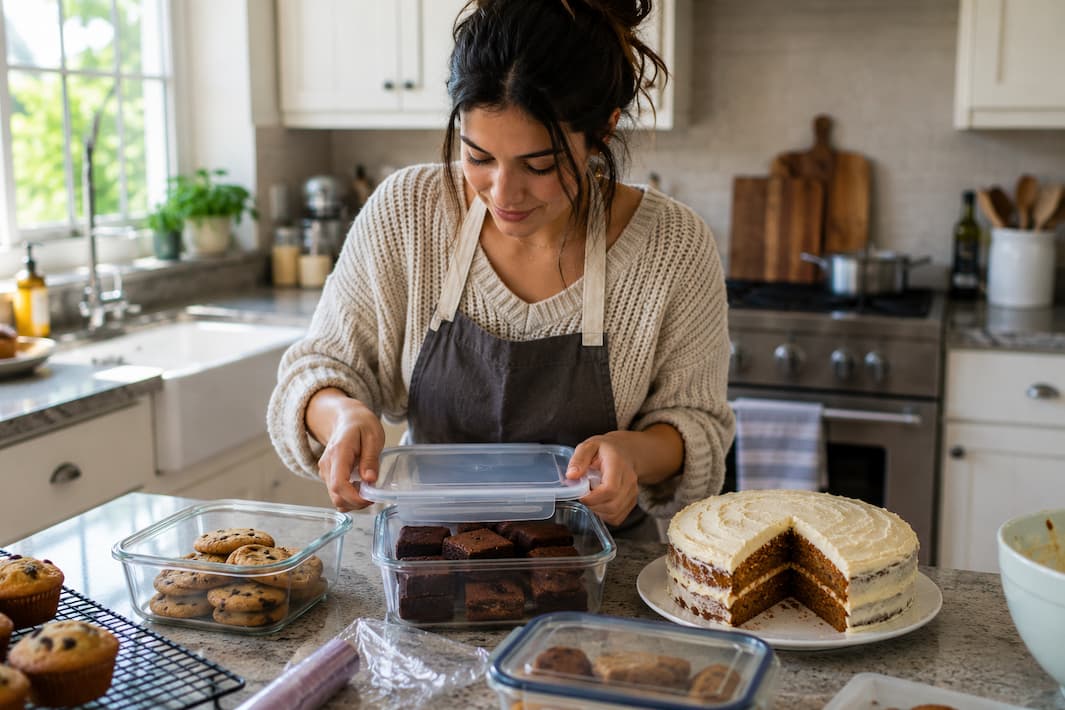
There is just something about pulling a fresh-baked dessert out of the oven that makes the kitchen smell warm and comfortable and all is right in the world. But the true challenge starts after the first piece is served. I learned this the hard way, after creating a gorgeous cake for a family meal and then finding it dry and unsatisfactory the next day. From that event I learnt a crucial lesson: preserving homemade treats is just as important as creating them. AManypeople think that when it comes to storing a dessert, all you need to do is cover it and stick it in the fridge, but there’s a lot more to effective storage than that. The freshness of dessert is a function of temperature, moisture, air flow and timing. Proper storage of desserts helps to increase their shelf life, maintain their flavour and cut down on food waste. This book draws on real kitchen experiences and practical ideas that anyone can implement instantly.
The Biggest Enemies of Fresh Desserts: Knowledge
Knowing what causes desserts to go stale is helpful before you learn about storage methods. Moisture makes textures soggy, temperature fluctuations alter flavour and structure and baked items dry out in the air. Desserts left unattended will quickly dry out and become stale. If stored wrongly in the fridge, they can pick up odours and lose their flavour. I once left some brownies in the fridge unsealed, and they tasted vaguely of leftover curry. At that point I was sure that storage was a science. Knowing the primary dangers to freshness makes every storage option easier and more thoughtful.
Cooling Desserts Properly Before Storage
It’s a typical mistake to put desserts away while they’re still warm. You might think it would make sense to cover them soon. But the stored heat causes condensation, which leads to mushy textures and spoiling. Desserts should be allowed to cool completely before storing. Cooling also helps the dessert to stabilise, set properly and release excess steam. “Once I started letting cakes and brownies set completely on a rack, it was a world of difference. The texture was soft but not wet; the flavour was retained. A little patience at the cooling stage is a minor step that makes a significant difference in freshness down the road.
Selecting the Appropriate Containers to Ensure Maximum Freshness
All storage containers are not the same, and picking the proper one can greatly increase the lifespan of prepared delicacies. Most baked items should be stored in airtight containers, as they cut down on air exposure. Glass and good-quality plastic containers are particularly good for maintaining a steady atmosphere. Wrapping your sweets in plastic wrap before putting them in a container is one further precaution. I used to only use foil, but upgrading to airtight containers made a huge difference in how long my desserts lasted fresh. One of the easiest methods to make dessert last longer is to buy appropriate storage containers.
Knowing Which Desserts Belong in the Refrigerator and Which Do Not
Not every dessert belongs in the fridge, and storing everything cold can actually ruin certain treats. Cakes without cream or custard fillings often stay fresher at room temperature for a few days. Cookies and brownies also maintain better texture outside the fridge when stored properly. Refrigeration is best reserved for desserts containing cream, custard, fruit fillings, or dairy-based frostings. Learning this distinction saved many of my desserts from becoming dry and dense. Understanding where each dessert belongs ensures the best flavour and texture over time.
Protecting Desserts From Dryness With Simple Wrapping Techniques
Dryness is one of the biggest complaints when it comes to leftover desserts. Proper wrapping prevents moisture from escaping and keeps baked goods soft. Wrapping desserts tightly in plastic wrap before storing them in containers creates a protective barrier. For cakes, covering exposed slices with wrap prevents the cut edges from drying out. I started wrapping cake slices individually after noticing how quickly exposed edges hardened. This small change kept cakes moist for several extra days. Good wrapping techniques are simple but incredibly effective.
Freezing Homemade Desserts Without Ruining Texture or Flavor
Freezing is one of the best ways to extend dessert life, yet many people avoid it because they fear ruining texture. The truth is that most desserts freeze beautifully when wrapped properly. Cakes, brownies, cookies, and muffins can all be frozen successfully. The key is wrapping them tightly in plastic wrap and then placing them in freezer-safe containers. When I began freezing leftover cake slices individually, I realised I always had dessert ready for unexpected guests. Freezing turns leftovers into future treats and helps reduce waste without sacrificing quality.
Thawing Desserts the Right Way for Best Results
Proper thawing is just as important as proper freezing. The best way to thaw desserts is to do so slowly at room temperature while still wrapped. This prevents condensation from forming on the dessert surface. I learned this lesson after rushing to thaw cookies in the microwave and ending up with uneven textures. Allowing desserts to thaw naturally preserves flavour and structure. Planning ahead and giving desserts time to return to room temperature makes them taste freshly baked again.
Creating a Simple Storage Routine That Works Every Time
The most effective way to keep desserts fresh is to build a simple routine. Cool completely, wrap tightly, choose the right storage location, and label when needed. These steps quickly become automatic and require little effort. Over time, this routine becomes part of the baking process rather than an extra task. Once storage becomes a habit, homemade desserts remain enjoyable for days or even weeks.
Conclusion
Storing homemade desserts properly is a skill that transforms your baking experience. By understanding the enemies of freshness, cooling desserts completely, using airtight containers, and choosing the right storage methods, you can extend the life of your treats significantly. Freezing and thawing techniques add even more flexibility, allowing you to enjoy desserts whenever you like. With a simple routine and a few practical strategies, your homemade desserts can stay fresh, flavourful, and enjoyable long after they leave the oven.
FAQs
1. How long do homemade pastries generally last?
Most desserts will keep at room temperature for 2 to 4 days or up to a week in the refrigerator, depending on the ingredients.
2. Can you freeze cakes with frosting?
Yes, frosted cakes freeze nicely, provided they are firmly wrapped and stored in airtight containers.
3. Why do my cookies get soft after storage?
Cookies soak up moisture from the air. They retain their natural texture in airtight containers.
4. Should I put brownies in the fridge?
Brownies are best stored at room temperature unless they contain cream or other perishable fillings.
5. How to store the cake after it is cut?
Wrap each slice tightly in plastic wrap, then place in an airtight container to avoid drying.

Olivia Dawson is a food writer and recipe developer focused on creating clear, practical, and family-friendly cooking content. She specializes in approachable recipes made with everyday ingredients and well-explained methods that support confident cooking. Through Recipes With Olivia, Olivia shares thoughtfully crafted meal ideas designed to be reliable, enjoyable, and easy to recreate in everyday kitchens.