
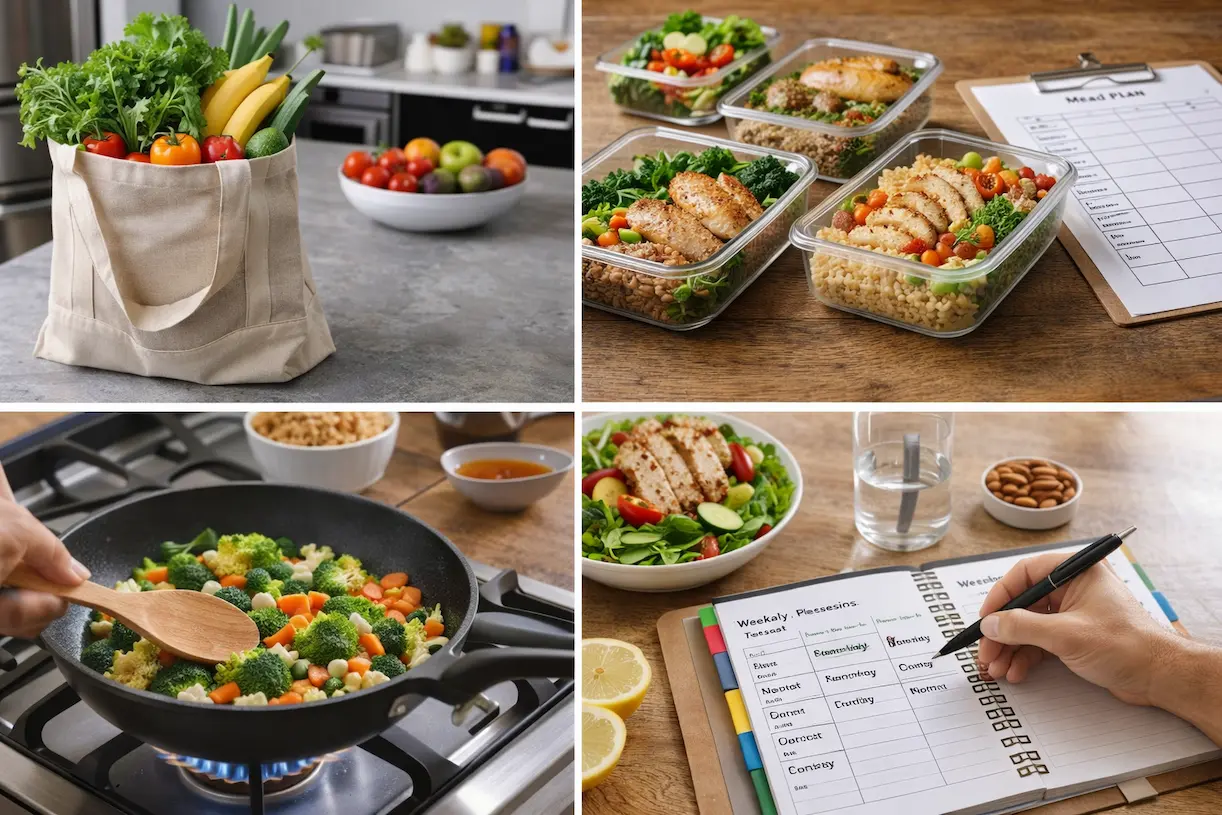
Changing the way you eat can feel exciting at first. You might be motivated to cut sugar, increase vegetables, or swap out processed foods for whole ingredients. But how often have you started with enthusiasm only to fall back into old habits within weeks? The challenge isn’t a lack of willpower—it’s that sustainable food changes require more than temporary adjustments; they need a mindset and approach that fit your life.
In this article, I’ll share why food changes often fail, what you can do differently, and practical tips to create habits that last. If you’re a beginner or someone who wants to improve your cooking while still enjoying meals, this guide is for you.
Why Food Changes Often Don’t Last
Even the most well-intentioned diet plans or meal swaps can fail if they aren’t approached thoughtfully. Understanding why this happens is the first step toward making changes that stick.
Overly Restrictive Mindset
One common reason changes fail is the “all or nothing” mentality. Cutting out all your favorite treats or drastically reducing calories can feel restrictive, making it hard to maintain. When the body and mind feel deprived, cravings often win, leading to overeating or abandoning your plan entirely.
Lack of Meal Balance
Another challenge is neglecting balance in meals. Simply swapping ingredients without considering overall nutrition can backfire. For example, replacing a pasta dinner with a small salad may leave you hungry, tired, and craving more calories later. Sustainable changes need to include protein, fiber, and healthy fats to satisfy hunger and support energy levels. If you want practical examples of building balanced meals, my guide on how I build balanced plates for weight management offers helpful tips.
Unrealistic Expectations
Many people expect instant results when changing eating habits. A few healthy meals won’t immediately transform your weight or energy levels. When results aren’t immediate, motivation can drop. Long-lasting changes are gradual, often invisible at first, but cumulative over time.
Ignoring Personal Preferences
Finally, ignoring your own tastes and lifestyle can make changes hard to sustain. If a swap feels bland, unappealing, or difficult to prepare, you’re unlikely to continue it. Sustainable food changes must be enjoyable and convenient to work consistently.
Step-by-Step Solutions for Sustainable Food Changes
Making lasting changes requires more than good intentions—it requires a plan that respects your habits, preferences, and lifestyle. Here’s a practical approach:
1. Start Small
Big overhauls are hard to sustain. Start with one or two small changes, like adding an extra serving of vegetables to lunch or swapping soda for sparkling water. Small wins build momentum and confidence.
2. Focus on Balance
Every meal should include protein, fiber, and healthy fats to keep you full and energized. A balanced approach prevents cravings and overeating later. For example, pairing a vegetable stir-fry with quinoa and chicken makes a satisfying, balanced meal. You can also explore simple kitchen swaps that improve daily nutrition for creative ideas to tweak your meals without feeling deprived.
3. Make Meals Enjoyable
Taste is a huge factor in sustainability. Healthy meals should delight your senses. Experiment with spices, herbs, and textures to keep meals exciting. Roasted vegetables with a touch of olive oil, lemon, and paprika can transform even simple dishes into favorites.
4. Plan Ahead
Preparation reduces the likelihood of defaulting to unhealthy options. Keep pre-cut vegetables, portioned snacks, and quick-to-cook meals on hand. Simple meal planning can make sustainable changes almost effortless. For busy mornings, check out quick and healthy breakfast ideas to try every morning that are both satisfying and simple to prepare.
5. Track Progress
Keeping a journal or tracking your meals can help identify patterns, successes, and areas that need adjustment. Note how meals make you feel, your energy levels, and any cravings. Awareness is a powerful tool in reinforcing positive habits.
6. Allow Flexibility
Rigid rules often lead to burnout. Allowing yourself occasional indulgences or flexible swaps prevents feelings of restriction. For example, enjoy a small dessert or treat when socializing or during special occasions without guilt.
7. Build Gradually
Layer new habits over time rather than attempting everything at once. Add more vegetables, reduce sugar slowly, and introduce new recipes gradually. Each small change compounds, creating lasting results without stress.
My Experience With Sustainable Food Changes
In my journey toward healthier eating, I learned the importance of combining enjoyment with practicality. One mistake I made was trying to overhaul all meals at once. I swapped every snack, breakfast, and dinner for “healthy” alternatives, but the lack of familiar flavors and convenience led to frustration and reverting to old habits.
What worked for me was focusing on one change at a time, like replacing sugary snacks with fruit or swapping refined grains for whole grains. I also discovered that keeping a list of simple, satisfying recipes helped immensely. For instance, learning how to make easy weight-friendly dinner ideas for busy lives allowed me to enjoy meals without stress or compromise. Gradually, these small, consistent changes became habits, and I no longer felt like I was “dieting” at all.
Common Mistakes to Avoid
- Skipping meals or cutting calories drastically -Leads to cravings and overeating.
- Ignoring taste and satisfaction – Meals that feel boring are hard to stick to.
- Expecting overnight results – Sustainable changes take time.
- Overcomplicating recipes – Simple meals are easier to maintain consistently.
- Neglecting preparation – Unplanned meals often lead to unhealthy choices.
Pro Tips for Long-Lasting Changes
- Experiment with flavors – Herbs, spices, and textures can make even basic swaps exciting.
- Mix familiar and new foods – Gradually introducing new ingredients makes changes feel natural.
- Keep healthy snacks accessible – Portion snacks in advance to reduce impulse eating.
- Pair changes with rituals – For example, enjoying tea with a healthy snack can make habits enjoyable.
- Use swaps strategically – Swapping a few ingredients at a time, like healthy dessert swaps, can make meals feel indulgent while still supporting your goals. Check out healthy dessert swaps for everyday baking for inspiration.
FAQs
1. How long does it take to form sustainable food habits?
Habits vary by individual, but most research suggests it takes 4–8 weeks of consistent practice to form a lasting habit. Patience and gradual changes are key.
2. Can I still enjoy treats while making sustainable changes?
Absolutely. Occasional indulgences are part of sustainable eating. Focus on balance rather than elimination.
3. What’s the best way to start if I’m new to healthy cooking?
Begin with simple swaps and easy recipes. For example, beginner-friendly low-calorie meals for weight loss offer approachable options to start your journey.
4. How do I avoid reverting to old habits?
Keep meals convenient, enjoyable, and balanced. Track your progress and allow flexibility to maintain motivation.
5. How do I deal with cravings when changing my diet?
Pair healthy swaps with satisfying ingredients like protein and fiber. Also, plan for occasional treats to prevent feelings of restriction.
Conclusion
Sustainable food changes aren’t about extreme diets or rigid rules—they’re about creating a lifestyle that fits your tastes, habits, and schedule. The key is starting small, focusing on balanced meals, and making changes enjoyable and convenient.
From my experience, layering small, manageable adjustments over time leads to lasting results. Meal swaps, flavor experimentation, and simple preparation strategies can make your journey toward healthier eating feel natural rather than restrictive.
Remember, patience and consistency matter more than perfection. Each small, thoughtful change you implement contributes to a healthier, more satisfying way of eating that can last a lifetime. Start today with one small swap, and build from there—you’ll be amazed at how sustainable changes add up without stress or deprivation.
Olivia Dawson is a food writer and recipe developer focused on creating clear, practical, and family-friendly cooking content. She specializes in approachable recipes made with everyday ingredients and well-explained methods that support confident cooking. Through Recipes With Olivia, Olivia shares thoughtfully crafted meal ideas designed to be reliable, enjoyable, and easy to recreate in everyday kitchens.