
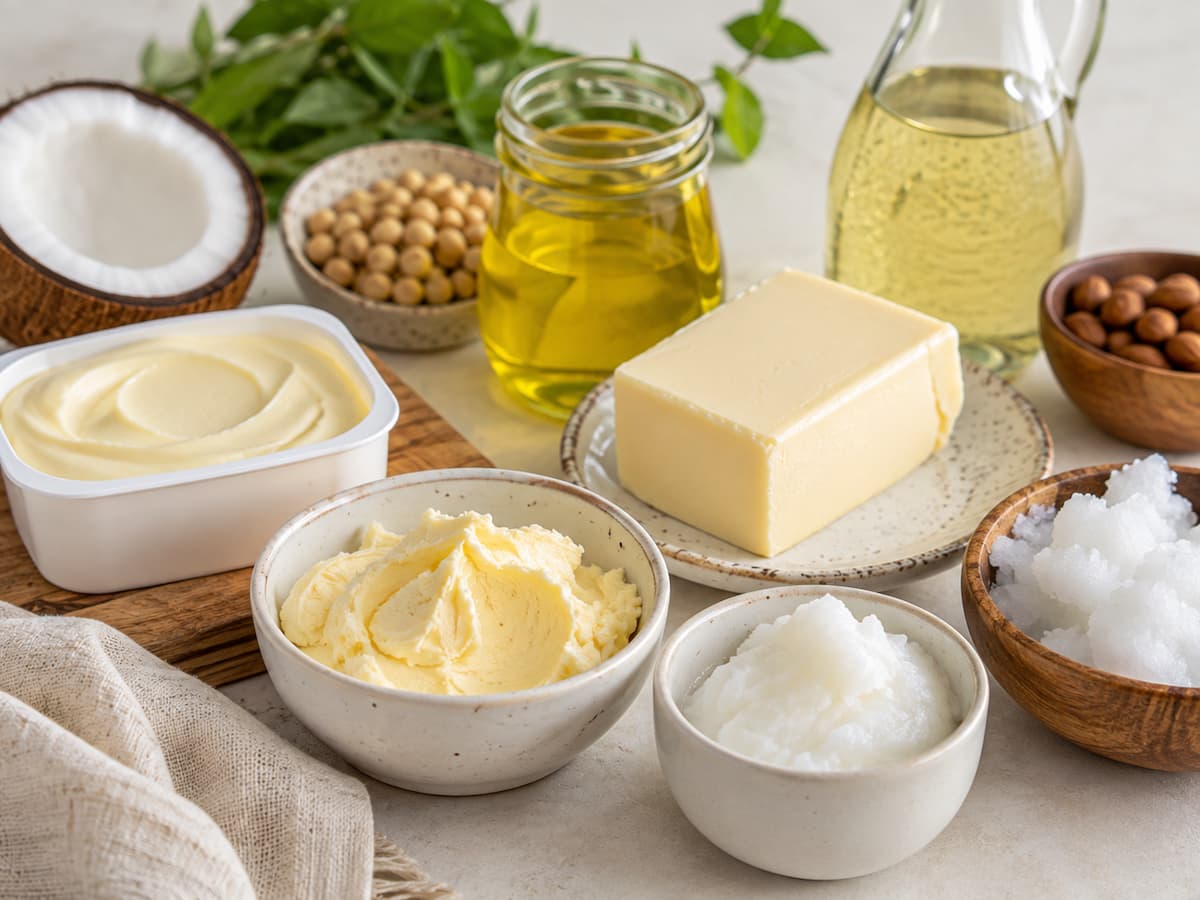
Why People Replace Butter
Butter alternatives have become increasingly popular because cooking habits continue to evolve. While butter remains a useful ingredient, many households now keep several substitutes available for different situations. A recipe may call for butter, but another ingredient might produce similar or even better results depending on the desired texture and flavor. Health is one of the most common reasons people switch. Some prefer ingredients that contain more unsaturated fats, while others need dairy-free choices because of lactose intolerance or milk allergies. Plant-based eating has also encouraged many home cooks to explore alternatives made from vegetables, nuts, seeds, and fruits.
Convenience matters too. Running out of butter no longer means abandoning a recipe. Many common kitchen staples such as olive oil, applesauce, yogurt, or mashed bananas can work surprisingly well when used correctly. The best substitute depends more on the recipe than on the ingredient itself. A replacement that works perfectly in muffins may not be the best choice for flaky pastries.
Understanding Butter’s Role in Recipes
Before replacing butter, it helps to understand why recipes use it in the first place. Butter is more than just a source of flavor. It contributes fat, moisture, structure, tenderness, and browning. These qualities influence how baked goods rise, how crisp cookies become, and even how long finished foods stay fresh.
- Butter Adds Rich Flavor: Many recipes depend on butter for its creamy taste. This is especially noticeable in pastries, cookies, pie crusts, and sauces.
- Butter Creates Tender Texture: Fat coats flour particles and reduces gluten development. This produces softer cakes, tender muffins, and flaky pastries.
- Butter Helps Browning: The milk solids found in butter contribute to golden color and appealing flavor during baking.
- Butter Supports Structure: When butter is creamed with sugar, tiny air pockets form. These pockets help cakes become lighter and provide volume during baking.
How to Choose the Right Butter Alternative
The easiest mistake beginners make is assuming every substitute can be swapped equally in every recipe. Instead, think about what the recipe needs most. Is flavor the priority? Moisture? Crispy edges? A light cake? Answering these questions helps narrow the options.
1. Consider the Cooking Method
Baking usually requires more precision than stovetop cooking. Cakes, pastries, and cookies depend on careful ingredient balance, while soups, vegetables, and sauces are generally more forgiving.
2. Think About Flavor
Olive oil adds noticeable flavor, whereas avocado oil has a milder taste. Applesauce contributes natural sweetness, while Greek yogurt introduces a slight tang.
3. Pay Attention to Moisture
Some ingredients contain far more water than butter. Fruits and yogurt can make baked goods softer, while oils usually produce a richer, moister crumb.
4. Know the Fat Content
Butter contains both fat and water. Pure oils contain nearly all fat, meaning quantity adjustments may improve recipe balance.
| Recipe Type | Best Substitute | Main Benefit |
|---|---|---|
| Cakes | Greek yogurt or oil | Moist texture |
| Muffins | Applesauce | Extra moisture |
| Cookies | Plant-based butter | Similar texture |
| Vegetable sauté | Olive oil | Rich flavor |
| Quick breads | Mashed banana | Natural sweetness |
Cooking Oils as Butter Replacements
Cooking oils are among the easiest butter alternatives because they are available in most kitchens and work well in countless recipes. They provide fat, improve moisture, and often simplify mixing because they blend quickly with other ingredients. However, each oil has its own flavor and cooking characteristics, so choosing the right one matters.
1. Olive Oil
Olive oil is one of the most versatile substitutes. It works especially well in savory dishes, homemade breads, roasted vegetables, pasta, and many simple cakes. Extra virgin olive oil has a stronger flavor, while lighter varieties have a milder taste that blends into baked goods more easily. Because olive oil remains liquid at room temperature, baked products often stay soft for longer. This makes it an excellent choice for muffins and quick breads, although it is generally less suitable for recipes that depend on solid fat, such as flaky pastries.
2. Canola Oil
Canola oil has a neutral flavor, making it useful when you do not want the substitute to affect the taste of the finished recipe. It performs well in cakes, pancakes, brownies, and many everyday baked goods.
3. Avocado Oil
Avocado oil is valued for its mild flavor and high smoke point. It is especially useful for roasting, grilling, stir-frying, and sautéing vegetables. It also works well in certain baked recipes where a neutral taste is preferred.
4. Coconut Oil
Coconut oil behaves differently because it becomes solid at cooler temperatures and melts when warmed. Refined coconut oil has little coconut flavor, while unrefined versions provide a more noticeable tropical taste. It works well in cookies, bars, granola, and some cakes. Since it behaves more like butter than liquid oils do, it is often a favorite for dairy-free baking.
Best Practice: When replacing butter with liquid oil in baking, many recipes perform best when using slightly less oil than butter because oil contains nearly 100% fat.
Fruit-Based Butter Alternatives
Fruit-based substitutes may sound unusual at first, but they have become popular because they naturally increase moisture while reducing the amount of added fat in many recipes. They work especially well in muffins, snack cakes, breakfast breads, and some cookies. Although they cannot replace butter in every recipe, they offer an easy option for anyone looking to experiment with ingredients already found in the kitchen.
1. Unsweetened Applesauce
Applesauce is one of the most widely used butter alternatives in baking. It blends smoothly into batters and helps keep cakes and muffins soft for several days. Because it already contains natural sugars, using unsweetened applesauce gives you better control over the overall sweetness of the recipe. Recipes made with applesauce often have a lighter texture and a tender crumb. However, replacing all of the butter with applesauce may reduce browning and make cookies less crisp. Many home bakers prefer replacing only part of the butter to keep a balance between moisture and structure.
2. Mashed Banana
Ripe bananas add moisture along with natural sweetness and a mild fruit flavor. They are a popular choice for banana bread, breakfast muffins, pancakes, and some snack bars. Since bananas have a stronger flavor than applesauce, they work best in recipes where their taste naturally fits. The riper the banana, the easier it is to mash and mix into batter. Overripe bananas with brown spots are often the best option because they blend smoothly and provide more sweetness without additional sugar.
Tip: Fruit-based substitutes are excellent for soft baked goods but are generally less suitable for recipes that depend on crisp edges or flaky layers.
Dairy-Based Butter Alternatives
If dairy is not a concern, several dairy products can replace butter in baking while adding moisture and protein. These ingredients work particularly well in cakes, muffins, pancakes, biscuits, and quick breads. Because they contain less fat than butter, the final texture may be lighter, but using the right amount helps produce excellent results.
| Dairy Alternative | Best Used For | Texture Result |
|---|---|---|
| Greek Yogurt | Cakes, muffins | Moist and soft |
| Plain Yogurt | Quick breads | Light and tender |
| Buttermilk | Pancakes, biscuits | Fluffy and delicate |
Plant-Based Butter Alternatives
Plant-based butter products have become much easier to find in grocery stores. Many are specifically designed to behave like traditional butter in baking, making them a practical option for people following vegan or dairy-free diets.
- Plant-Based Butter Sticks: These products are usually the closest match to traditional butter because they are formulated with a similar balance of fat and moisture. Many recipes allow a direct one-to-one replacement, making them beginner-friendly.
- Nut Butters: Peanut butter, almond butter, and cashew butter can replace part of the butter in selected recipes. Besides adding healthy fats, they contribute rich flavor and protein. They work best in cookies, brownies, energy bites, and snack bars rather than delicate cakes.
- Avocado: Mashed avocado provides creaminess along with heart-healthy fats. It has a mild flavor that often disappears once baked, especially in chocolate recipes. Cakes, brownies, and muffins can all benefit from avocado when moisture is the priority.
Butter Alternative Comparison Table
| Alternative | Flavor | Best For | Dairy-Free | Works in Baking |
|---|---|---|---|---|
| Olive Oil | Medium | Cooking, breads | Yes. | Yes. |
| Canola Oil | Mild | Cakes | Yes. | Yes. |
| Coconut Oil | Light to strong | Cookies | Yes. | Yes. |
| Applesauce | Sweet | Muffins | Yes. | Yes. |
| Banana | Sweet | Quick breads | Yes. | Yes. |
| Greek Yogurt | Mild | Cakes | No | Yes. |
| Plant-Based Butter | Similar to butter | Most recipes | Yes. | Excellent |
| Avocado | Mild | Brownies | Yes. | Yes. |
Common Mistakes to Avoid
Replacing butter is often straightforward, but a few common mistakes can lead to disappointing results. Understanding these problems before you start helps save time and ingredients.
- Replacing butter without considering its role in the recipe.
- Using strongly flavored oils in delicate baked goods.
- Replacing all the butter with fruit puree in cookies that should be crisp.
- Ignoring differences in moisture between ingredients.
- Choosing sweet substitutes for savory recipes.
- Assuming every plant-based spread performs like baking butter.
- Making several ingredient substitutions at once, which makes it difficult to identify what changed the final result.
Best Practices for Successful Butter Substitutions
Successful cooking often comes down to understanding how ingredients interact rather than simply following a recipe word-for-word. When trying a new butter substitute, begin with recipes that are naturally forgiving, such as muffins, quick breads, or simple cakes. These recipes tend to adapt well to small changes.
Measure ingredients carefully, especially when baking. Even small differences in the amount of fat or liquid can affect texture. If a substitute contains extra moisture, avoid adding additional liquid unless the batter seems unusually thick. Taste also matters. Neutral substitutes allow spices, fruit, vanilla, or chocolate to stand out, while stronger ingredients such as olive oil or banana become part of the recipe’s flavor profile. Matching the substitute to the overall recipe often produces the best results.
Quick Checklist
- Choose a substitute that matches the recipe type.
- Consider flavor as well as texture.
- Measure carefully.
- Avoid making multiple substitutions at once.
- Keep notes so you know what works for future recipes.
Conclusion
But finding the ideal butter replacement is easier than many newbies think. Don’t look for one perfect substitute, but think about what your recipe needs most. Oils give richness and moisture, fruit purees provide softness, yogurt imparts suppleness, and plant-based butter produces similar results to regular butter.
Each substitution has its merits, and knowing when to use each one is the key to more versatility in the kitchen. Whether you’re accommodating dietary concerns, trying out new ingredients, or simply need to finish a recipe without butter, knowing these options can help you cook with confidence. With a little practice, choosing the best butter substitute becomes second nature. Start with simple recipes, pay attention to texture and taste, and adjust to your taste. You’ll learn which substitutions work best for the items you cook most often over time.
FAQs
Yes. Olive oil is very good in breads, muffins, savory dishes, and numerous cakes. It delivers moisture and healthful unsaturated fats. If you want less flavor, especially in baking desserts, choose a mild olive oil.
3. Is butter healthier than applesauce?
Applesauce is lower in fat and calories than butter and is a common substitute for some recipes. But it affects the texture and doesn’t deliver the same richness. It’s a matter of personal preference depending on your dietary goals and the type of food you’re making.
4. What’s the best butter substitute for cookies?
Plant-based baking butter and coconut oil will tend to make cookies with the most butter-like texture. Applesauce and yogurt can help make cookies softer, and oils often result in a more sensitive crumb rather than crispy edges.
5. Will baking time be affected by butter alternatives?
At times. Sometimes things with oil bake a bit faster, and things with more moisture could need a couple extra minutes. It is always safest to check for doneness, rather than depending on time alone.
6. What is the finest substitute for flavorful cooking?
You can sauté veggies, prepare cereals, make sauces, and roast dishes in olive oil, avocado oil, or plant-based butter. They are good for the everyday meals, both in flavor and how they cook.
7. Do butter substitutes influence the flavor?
Yes. Some alternatives are nearly neutral, while others provide a perceptible flavor. Olive oil, coconut oil, bananas, nut butters, and avocado all have their unique character. You want to select an item that will complement the dish so you’ll end up with a well-rounded flavor.

Olivia Dawson is a food writer and recipe developer focused on creating clear, practical, and family-friendly cooking content. She specializes in approachable recipes made with everyday ingredients and well-explained methods that support confident cooking. Through Recipes With Olivia, Olivia shares thoughtfully crafted meal ideas designed to be reliable, enjoyable, and easy to recreate in everyday kitchens.