
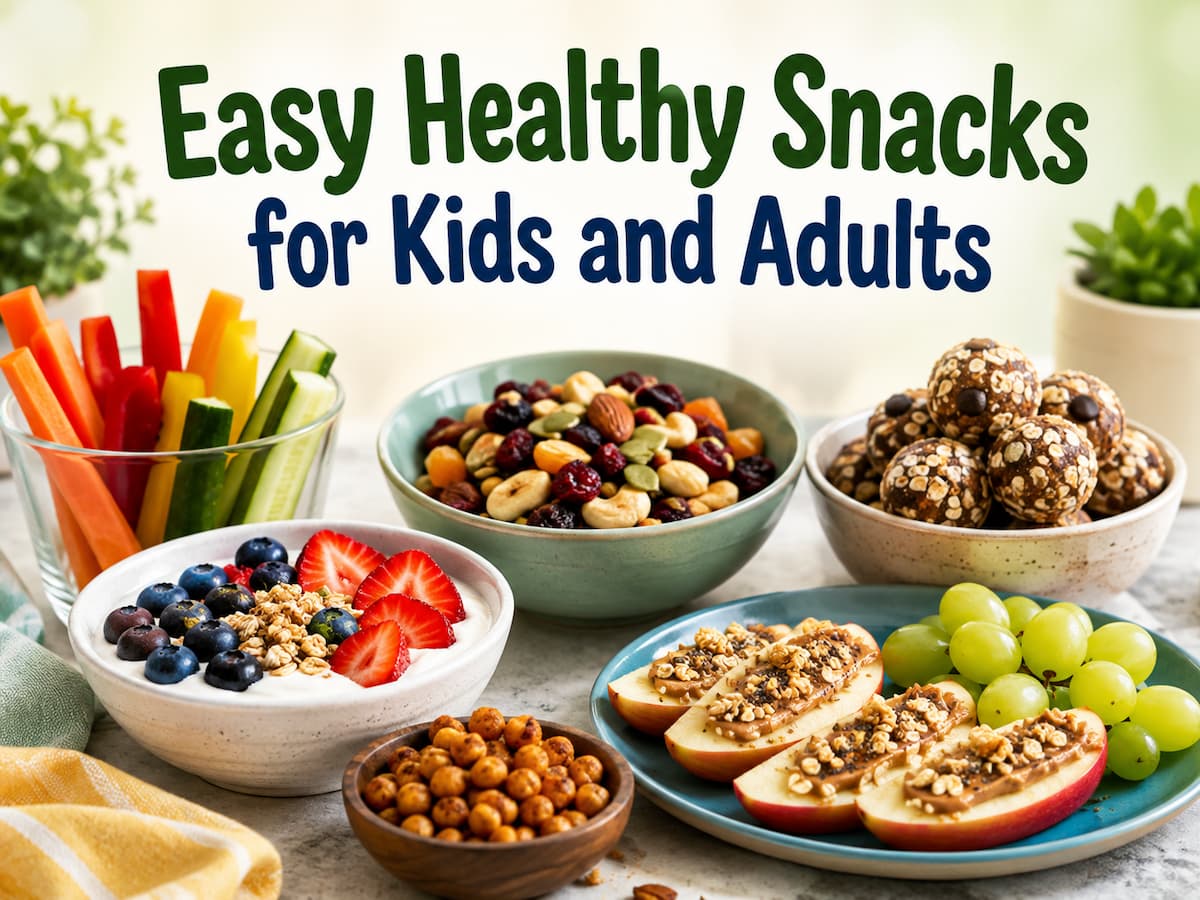
It may sound odd, but finding food that kids and adults both will enjoy may be surprisingly hard. Kids want something familiar and enjoyable that’s quick to grab, while adults are looking for snacks that fill them up between meals but don’t feel like another laborious food effort.
One thing is for sure, though: after testing out a variety of snack combos in everyday kitchens, the finest healthy snacks aren’t always the most sophisticated. These are the ones with decent texture, balanced flavors, and ingredients that people genuinely want to eat. A snack that looks good on paper but is ignored after the first taste is not very helpful. This essay is all about easy recipes with simple ingredients. Some are naturally sweet, some are savory, and some can be made ahead for busy mornings, lunch boxes, work breaks, or afternoon desires.
Why Complex Snacks Are Not As Good As Simple Ones
One of the biggest mistakes in terms of making healthy snacks is trying to substitute the pleasures we’re used to with something totally different. A child who likes crunching on crackers might not immediately like a snack that looks and tastes nothing like what they are used to. Adults can feel the same way when a “healthy” snack seems too bland or not gratifying. Successful snack ideas share a few crucial elements: a nice texture, enough flavor, and ingredients that are easy to identify.
Like yogurt with fruit. The cool and silky texture is a good match with the natural sweetness of berries or bananas. The addition of nuts or seeds gives you contrast. A handmade energy bite is more delicious with a little chew rather to being dry and crumbly. Enjoyable foods don’t have to be excluded from a healthy snacking plan. It’s frequently about making snacks that are satisfying and made with wholesome ingredients.
Apple Slices with Crunchy Toppings and Peanut Butter
This is one of those snacks that take less than five minutes but seem so much more thoughtful than just grabbing a piece of fruit. Apples give freshness and natural sweetness, and peanut butter adds smoothness and a deeper flavor. This combo works. It’s the textural contrast that makes this snack fun. The combination of crunchy apple slices with creamy peanut butter keeps it intriguing.
Ingredients
| Ingredient | Amount |
|---|---|
| Apple | 1 medium |
| Peanut butter | 2–3 tablespoons |
| Chopped walnuts, almonds, or seeds | 1 tablespoon |
| Cinnamon (optional) | A small pinch |
How to Prepare It
Wash and slice the apple into thin wedges or rounds. Spread a small amount of peanut butter over each slice and finish with chopped nuts or seeds. A practical kitchen tip: apples can brown quickly after cutting. If preparing this for a lunchbox, lightly coat the slices with lemon juice and store them in an airtight container. For younger children, choose thin slices and use smooth peanut butter if texture is a concern. Always consider individual allergies before serving nuts or nut-based products.
Homemade Yogurt Fruit Cups for Busy Days
Store-bought yogurt snacks can be convenient, but making simple yogurt cups at home gives you more control over sweetness and ingredients. The key is choosing the right balance. Plain yogurt can taste slightly sharp on its own, but naturally sweet fruit changes the flavor without needing much added sugar.
Ingredients
- Plain yogurt or Greek yogurt
- Fresh berries, banana slices, mango, or chopped apple
- A small sprinkle of oats, seeds, or chopped nuts
- Optional: cinnamon or a drizzle of honey for adults and older children
Preparation Method
Add yogurt to small containers or jars. Layer fruit on top and finish with oats or seeds. One thing to remember is that watery fruits can affect texture after sitting overnight. Strawberries, for example, release moisture as they rest. If preparing several portions ahead, adding fruit shortly before eating can help keep the yogurt thicker. These cups work well for breakfast, afternoon snacks, or a quick option after school.
No-Bake Oat Energy Bites That Store Well
When people hear “healthy snack,” they often imagine recipes requiring special ingredients. These simple oat bites are an example of how basic pantry items can create something useful. They are soft, slightly chewy, and easy to customize.
Ingredients
- Rolled oats
- Peanut butter or another nut butter
- Ground flaxseed or chia seeds
- Honey or maple syrup
- Optional additions such as coconut, raisins, dark chocolate pieces, or chopped nuts
How to Make Them
Mix all ingredients in a bowl until the mixture holds together. If it feels too dry, add a little more nut butter. If it feels too sticky, add extra oats. Chill the mixture for about 20–30 minutes, then roll it into small balls. The chilling step makes a noticeable difference. Without refrigeration, the mixture can feel difficult to shape and may stick to your hands. These are useful for meal prep because they can stay fresh in the refrigerator for several days when stored properly.
Crispy Roasted Chickpeas for a Savory Snack
Many snack options focus on sweetness, but some people simply want something salty and crunchy. Roasted chickpeas are a good alternative to traditional crunchy snacks because they develop a crisp outside while keeping a slightly creamy center.
Ingredients
- Cooked chickpeas
- Olive oil
- Paprika
- Garlic powder
- A pinch of salt
Cooking Method
Dry the chickpeas thoroughly before roasting. This step matters more than many beginners expect. Extra moisture prevents them from becoming crispy. Toss chickpeas with oil and seasonings, then roast until golden and crunchy. The texture changes as they cool. Fresh from the oven they may seem slightly soft, but they usually become crispier after resting for a few minutes. They are best enjoyed the same day because humidity can soften the coating over time.
Snack Preparation Timeline for a Smoother Week
A little preparation can make healthier choices much easier when everyone is hungry.
| When | Snack Preparation |
|---|---|
| Weekend | Prepare energy bites and wash fruits. |
| Evening before school/work | Portion yogurt cups or fruit containers |
| Morning | Pack grab-and-go snacks. |
| Afternoon | Add fresh toppings or combine ingredients. |
The goal is not to spend hours preparing food. It is simply making the better option easier to reach.
Simple Snack Combinations That Balance Flavor and Texture
Sometimes you do not need a recipe. A good combination of ingredients can create a satisfying snack in seconds.
| Snack Combination | Why It Works |
|---|---|
| Banana + peanut butter | Sweetness with creamy texture |
| Carrots + hummus | Crunchy and savory |
| Cheese cubes + grapes | Sweet and salty balance |
| Whole-grain toast and avocado | Creamy with a hearty base |
| Popcorn + nuts | Light crunch with staying power |
Texture is often the reason people enjoy certain snacks. A soft snack alone may feel boring, while adding something crunchy can completely change the experience.
Common Snack Problems and Easy Fixes
A healthy snack can fail for simple reasons. Sometimes the flavor is too plain, the texture is unusual, or the preparation makes it inconvenient. If homemade snacks taste bland, try improving flavor with natural additions such as cinnamon, herbs, spices, or fruit instead of immediately adding more sweeteners. If children reject a new snack, presentation can make a difference. Cutting fruit into smaller pieces, creating simple combinations, or letting children help assemble snacks can make unfamiliar foods feel more approachable. Another common problem is preparing too much food at once. Fresh ingredients often taste better when prepared in smaller batches rather than stored for too many days.
Smart Ingredient Swaps When You Need Flexibility
Recipes do not always work perfectly with what is available in the kitchen. Fortunately, many snack ingredients can be replaced easily. Peanut butter can often be replaced with almond butter, sunflower seed butter, or another spread depending on dietary needs. Greek yogurt can be swapped with regular yogurt, although the final texture may be thinner. Fresh fruit can usually be replaced with frozen fruit in smoothies or yogurt combinations. Frozen berries are especially useful because they are convenient and available throughout the year. For energy bites, different combinations of oats, seeds, dried fruit, and nut butters can create slightly different textures. Some versions will be softer, while others will have more chew.
Storing Healthy Snacks the Right Way
Storage has a big effect on taste and texture. Fresh fruit should usually be kept refrigerated after cutting. Yogurt-based snacks should remain chilled until serving. Energy bites can be stored in an airtight container in the refrigerator for several days. Crunchy snacks such as roasted chickpeas should be kept away from moisture. A sealed container can sometimes trap humidity, so allowing them to cool completely before storing is important. The best approach is preparing realistic amounts. A snack that stays fresh and enjoyable is much more likely to become part of a regular routine.
A Look at the Nutrition Side of Everyday Snacking
Healthy snacks can provide important nutrients between meals, but the exact nutritional value depends on the ingredients and portion sizes. Fruit-based snacks can contribute vitamins, minerals, and fiber. Nuts, seeds, yogurt, and nut butters can add protein and healthy fats. Whole grains such as oats provide carbohydrates that can help make snacks more filling. However, “healthy” does not automatically mean unlimited. Ingredients like nut butters, granola, and dried fruit can be nutritious but energy-dense, so portions still matter. A balanced snack usually combines more than one type of food. Pairing carbohydrates with protein or healthy fats often creates a more satisfying option than eating a single ingredient alone.
Final Thoughts
The best healthy snacks are the ones that fit naturally into everyday life. A snack does not need to look perfect or require unusual ingredients to be worthwhile. Simple combinations often become family favorites because they are easy to prepare, easy to adjust, and enjoyable to eat. Once you understand how flavors and textures work together, creating better snacks becomes much less complicated.
A bowl of fruit, a homemade energy bite, or a yogurt cup may seem small, but these simple choices can make busy days easier while bringing more variety into everyday eating.
FAQs
1. What is a Healthy Snack for Kids and Adults?
A good snack usually provides nutritious nutrients and is also pleasurable to eat. Snacks are more fulfilling when they combine meals with varied textures and flavors.
2. How Can I Get Kids to Eat Healthier Snacks?
Start with meals you know and make little modifications. Making new choices seem more enticing could be adding fruit to yogurt, providing a variety of choices for dipping, or getting kids involved in making the snacks.
3. What are some easy-to-make healthy snacks?
Fruit and nut butter, yogurt with berries, veggie sticks with hummus, and simple DIY snack mixtures require little or no cooking.
4. How many snacks should kids and adults eat daily?
The quantity of snacks required varies with age, activity level, meal habits, and individual needs. Snacks are a convenient way to take the edge off hunger between meals, not to replace a balanced meal.
5. What Makes a Healthy Snack for Kids and Adults?
A good snack usually provides nutritious nutrients and is also pleasurable to eat. Snacks are more fulfilling when they combine meals with varied textures and flavors.
6. How Can I Get Kids to Eat Healthier Snacks?
Start with meals you know and make little modifications. Making new choices seem more enticing could be adding fruit to yogurt, providing a variety of choices for dipping, or getting kids involved in making the snacks.

Olivia Dawson is a food writer and recipe developer focused on creating clear, practical, and family-friendly cooking content. She specializes in approachable recipes made with everyday ingredients and well-explained methods that support confident cooking. Through Recipes With Olivia, Olivia shares thoughtfully crafted meal ideas designed to be reliable, enjoyable, and easy to recreate in everyday kitchens.