
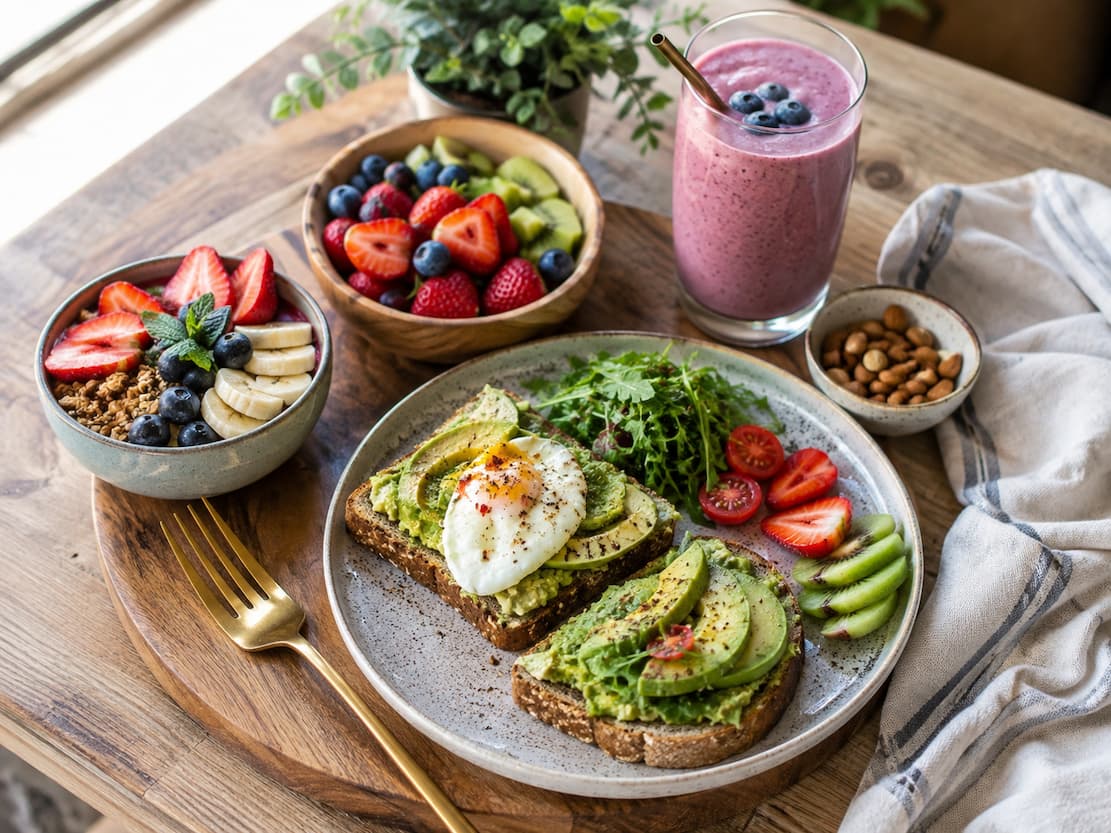
Brunch can look complicated when you see beautifully arranged plates online with colorful toppings, homemade sauces, and ingredients you may not usually keep in your kitchen. But a good brunch does not require advanced cooking skills or hours of preparation. Some of the most enjoyable brunch meals use simple ingredients that you prepare carefully. For beginners, the best brunch recipes are the ones that teach useful kitchen skills while still producing something satisfying. Learning how to cook eggs properly, balance flavors, prepare fresh ingredients, and understand textures will help you create dozens of meals beyond brunch.
A beginner-friendly brunch should feel relaxed. The goal is not perfection. It is learning how ingredients work together. A creamy avocado topping, a fluffy egg, a crisp piece of toast, or a warm bowl of oats can entirely change when you understand small cooking details. These healthy brunch recipes focus on simple techniques, affordable ingredients, and realistic preparation methods that work well for anyone building confidence in the kitchen.
Why These Brunch Recipes Are Great Starting Points
Many beginner cooks make the mistake of choosing recipes that look impressive but involve too many steps. Brunch is actually a great place to start because many dishes allow room for adjustment. Egg-based meals are forgiving because you can control the texture depending on your cooking time. Oat recipes are flexible because you can change fruits, nuts, and flavors without affecting the basic method. Toast-based meals are also excellent practice because they teach you how to combine different textures. The best beginner recipes typically share three key features:
| What makes a recipe beginner-friendly? | Why it helps |
|---|---|
| Simple ingredients | You spend less time searching and more time cooking. |
| Few complicated techniques | You can focus on learning basic skills. |
| Flexible flavors | Small changes still produce good results. |
A good brunch recipe should also fit real life. If you need an hour of preparation before eating, it may not become part of your routine. Recipes that can be prepared in 15 to 30 minutes are often easier to repeat and improve.
Start Your Morning With a Vegetable Egg Scramble
Eggs are one of the easiest ingredients for beginners because they cook quickly and work with many flavors. A vegetable scramble is a simple way to create a balanced brunch plate without needing complicated cooking techniques. The basic idea is straightforward: whisk eggs, prepare vegetables, and combine everything in a pan. But small details make a noticeable difference.
Many beginners cook vegetables and eggs together from the beginning. This often creates a watery scramble because vegetables release moisture as they heat. Cooking vegetables first allows excess water to evaporate and helps the eggs stay soft instead of becoming watery. Good vegetables for a beginner’s scramble include:
- spinach
- bell peppers
- mushrooms
- tomatoes
- onions
When the eggs are added, keep the heat moderate. High heat can make eggs firm quickly, creating a dry texture. Gentle cooking usually gives you softer curds with a smoother finish. For extra flavor, add herbs such as parsley, chives, or basil near the end. Fresh herbs lose their brightness if cooked too long.
Creamy Overnight Oats for a No-Cook Brunch Option
Not every brunch needs a stove. Overnight oats are especially useful for beginners because preparation happens ahead of time, and the recipe is difficult to ruin. The basic combination includes oats, milk or a milk alternative, and toppings. The overnight resting period allows the oats to absorb liquid and develop a softer texture.
A common mistake is adding too much liquid. The oats may become thin and lose the creamy consistency people expect. Start with a balanced amount and adjust after you see how your preferred oats absorb moisture. A simple combination could include:
- rolled oats
- Greek yogurt or milk
- sliced banana
- berries
- cinnamon
- chopped nuts
The texture changes depending on ingredients. Yogurt creates a thicker, creamier result, while extra milk produces a lighter consistency. Overnight oats are also practical for meal preparation. You can prepare several portions at once and change the toppings each day to avoid repetition.
Avocado Toast With Better Flavor Balance
Avocado toast became popular for a reason: it is simple, satisfying, and easy to customize. However, many beginners prepare it without considering flavor balance. Avocado has a creamy texture and mild taste, so it needs contrast. Adding acidity, seasoning, and crunch helps the dish feel complete. A basic version includes:
- whole-grain toast
- mashed avocado
- lemon juice
- black pepper
- a pinch of salt
The lemon juice does more than add flavor. It also helps slow down browning when the avocado sits for a short time. For more texture, add toppings such as sliced tomatoes, seeds, boiled eggs, or roasted vegetables. One useful kitchen trick is avoiding overly soft bread. The creamy avocado needs something sturdy underneath. Toasting the bread until the surface is crisp creates a better contrast between crunchy and smooth.
Greek Yogurt Bowls That Feel Like Dessert
A yogurt bowl is one of the easiest healthy brunch recipes because there is almost no cooking involved. The challenge is making it satisfying instead of just combining random ingredients. The secret is layering different textures. A bowl with only yogurt and fruit can feel plain, but adding something crunchy and flavorful changes the experience. Try combining:
| Layer | Examples |
|---|---|
| Creamy base | Greek yogurt, plain yogurt |
| Natural sweetness | Berries, bananas, apples |
| Crunch | Granola, almonds, seeds |
| Flavor boosters | Cinnamon, vanilla, nut butter |
A common beginner mistake is adding too many sweet toppings. A small amount of honey or fruit is usually enough because ingredients like cinnamon and nuts add complexity without extra sweetness.
A Simple Vegetable Frittata for Weekend Brunch
A frittata looks impressive but is surprisingly beginner-friendly. It is similar to an omelet but easier because the ingredients cook together in one dish. The most important part is managing moisture. Vegetables like zucchini and mushrooms contain a lot of water. If they go directly into the eggs, the final texture may become soft and watery. A better approach is cooking vegetables first and allowing them to release moisture before adding the egg mixture. A simple beginner frittata can include:
- eggs
- spinach
- mushrooms
- onions
- a small amount of cheese
- herbs
The texture should be firm enough to slice but still tender inside. Overcooking is the main issue beginners face because eggs continue cooking slightly even after leaving the heat. Frittatas are also useful because leftovers can become quick lunches or snacks.
A Beginner-Friendly Brunch Timeline
Preparing multiple dishes at brunch can feel stressful, but timing makes a big difference.
| Time | Task |
|---|---|
| First 5 minutes | Prepare ingredients and chop vegetables. |
| Next 10 minutes | Cook eggs or vegetables. |
| Final minutes | Add toppings and assemble plates. |
Preparing ingredients before turning on the stove prevents rushing. Many cooking mistakes happen because people begin cooking before everything is ready. A small cutting board, sharp knife, and a few basic pans are usually enough for these recipes. Expensive equipment is not necessary when learning.
Ingredients That Make Healthy Brunch Easier
Keeping a few reliable ingredients at home makes spontaneous brunch much easier. Eggs are useful because they cook quickly and work in many dishes. Oats are affordable and have a long shelf life. Fresh fruit can improve simple meals instantly. Whole-grain bread creates a stronger base for toppings. A beginner-friendly pantry might include:
- rolled oats
- nuts and seeds
- olive oil
- herbs and spices
- whole-grain bread
- canned beans
- cinnamon
The goal is not having a huge collection of ingredients. It has items that can work in several different meals.
Mistakes Beginners Often Make With Brunch Cooking
One common problem is trying to prepare too many dishes at once. A simple brunch with two well-made items usually feels better than a crowded table of rushed recipes. Another issue is under-seasoning. Healthy food does not need to be bland. Salt, herbs, spices, citrus, and fresh ingredients can create strong flavors without complicated sauces.
Texture is also important. A good brunch usually combines different sensations: something creamy, something crunchy, something warm, and something fresh. For example, soft scrambled eggs become more interesting when paired with crisp toast. Smooth yogurt becomes more enjoyable with crunchy nuts.
How to Store and Prepare Brunch Recipes Ahead
Many brunch recipes can be prepared in advance, which makes mornings easier. Overnight oats can stay refrigerated for several days when stored properly. Chopped vegetables for egg dishes can be prepared ahead and kept in airtight containers.
Cooked egg dishes usually taste best when eaten fresh, but leftovers can be stored in the refrigerator and gently reheated. High heat can make eggs rubbery, so slower reheating often gives better results. For freezer-friendly options, baked egg dishes such as mini frittatas often work well. Allow them to cool completely before freezing and reheat gently when needed.
Simple Ways to Serve a Healthy Brunch
Presentation does not need to be complicated. Small details can make a simple meal feel special. Adding fresh herbs, arranging fruit neatly, or serving yogurt in a nice bowl can improve the appearance without extra effort. A balanced brunch plate often includes:
- a protein source such as eggs or yogurt
- fiber-rich ingredients like oats, vegetables, or whole grains
- fresh produce for flavor and color
The best brunch meals are enjoyable because they feel satisfying, not because they follow a complicated formula.
Nutrition Overview of Beginner-Friendly Brunch Meals
Healthy brunch recipes can provide a combination of protein, fiber, healthy fats, and important nutrients depending on the ingredients used. Eggs and yogurt contribute protein, while oats, fruits, and vegetables add fiber. Nuts, seeds, and avocado provide fats that can help create a more satisfying meal. However, nutrition depends on portion sizes, ingredients, and individual dietary needs. A recipe that works well for one person may need adjustments for another. The biggest advantage of homemade brunch is control. You decide the ingredients, cooking methods, and flavors.
FAQs
1. What is the easiest healthy brunch recipe for beginners?
Overnight oats, yogurt bowls, and avocado toast are among the easiest because they require minimal cooking skills and allow many adjustments.
2. How can I make brunch healthier without complicating it?
Focus on adding simple whole ingredients such as vegetables, fruits, eggs, oats, and whole grains rather than entirely changing your favorite meals.
3. Can I prepare healthy brunch recipes the night before?
Yes. Recipes like overnight oats, chopped vegetables, and some baked egg dishes can be prepared ahead to save time.
4. What kitchen tools do beginners need for brunch recipes?
A good knife, cutting board, frying pan, mixing bowl, and basic cooking utensils are enough for most beginner brunch recipes.
5. How do I make healthy brunch meals taste better?
Focus on seasoning, texture, and freshness. Herbs, spices, citrus, crunchy toppings, and properly cooked ingredients can make simple meals much more enjoyable.

Olivia Dawson is a food writer and recipe developer focused on creating clear, practical, and family-friendly cooking content. She specializes in approachable recipes made with everyday ingredients and well-explained methods that support confident cooking. Through Recipes With Olivia, Olivia shares thoughtfully crafted meal ideas designed to be reliable, enjoyable, and easy to recreate in everyday kitchens.