
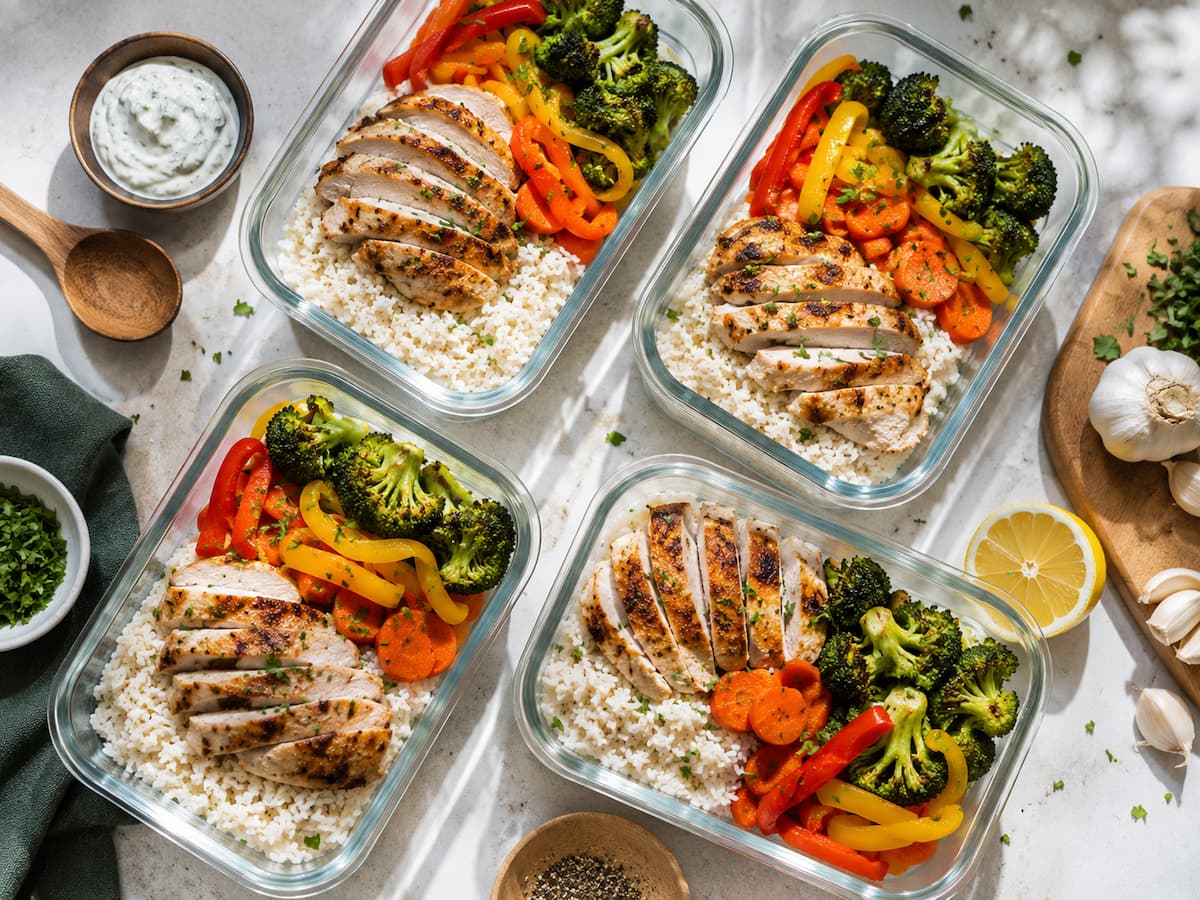
Due to their flexibility and balanced nutrition, high-protein chicken rice bowls are a popular meal prep option. You can easily cook a dish of lean protein, complex carbohydrates, vegetables, and healthy fats in huge portions. You may make multiple servings in one cooking session and enjoy varied flavors all week without feeling like you’re eating the same thing. Chicken rice bowls are a reliable option for saving time, eating healthier, boosting muscle recovery after exercise, or lowering the stress of dinnertime decisions. Beginners will learn everything from ingredient selection and cooking to portioning, storage, food safety, and inventive ways to spice up every meal in this guide.
Why Chicken Rice Bowls Are Ideal for Meal Prep
Few dinners are as reliable for weekly meal preparation as chicken rice bowls. It has a balanced nutritional profile, reheats nicely, and can be customized without new recipes. You may make numerous meals in one afternoon and enjoy home-cooked cuisine all week instead of cooking every day. Chicken is cheap, plentiful, and protein-rich. Rice gives long-lasting energy and is easy to cook in bulk. Vitamins, minerals, fiber, and color from vegetables make a meal satisfying without being complicated.
Another benefit is adaptability. Change seasonings or sauces to make numerous meals from one batch of chicken. This method lowers food waste by transforming base foods into different flavor profiles instead of leftovers. Decision fatigue is reduced by meal prep. Instead of worrying what to prepare every night, you have healthy meals in the fridge. This helps maintain healthy eating during hectic weeks.Making consistent meals you’ll like eating numerous days in a row is more important than trendy recipes.
Understanding the Nutrition Behind the Bowl
A balanced chicken rice bowl works because each ingredient serves a specific nutritional purpose. Rather than focusing only on protein, it helps to understand how every component contributes to overall health and satisfaction.
| Ingredient | Main Benefit | Examples |
|---|---|---|
| Lean Protein | Supports muscle maintenance and keeps you full longer | Chicken breast, chicken thigh |
| Complex Carbohydrates | Provides steady energy | Brown rice, jasmine rice, basmati rice |
| Vegetables | Add fiber, vitamins, minerals, and texture | Broccoli, carrots, peppers, spinach |
| Healthy Fat | Improves flavor and helps absorb nutrients | Avocado, olive oil, sesame seeds |
| Sauce | Adds moisture and variety | Greek yogurt dressing, salsa, light teriyaki |
When these ingredients are combined thoughtfully, the result is a meal that provides energy without feeling overly heavy. Many beginners make the mistake of loading their containers with mostly rice while adding only a small amount of protein. A more balanced approach keeps portions satisfying while supporting healthy eating habits. Fiber from vegetables also plays an important role. It supports digestion and helps meals feel filling, making it easier to avoid unnecessary snacking later in the day.
Choosing the Best Ingredients
The quality of your meal prep starts with the ingredients you buy. Fortunately, you don’t need expensive specialty products to create delicious chicken rice bowls. Fresh, frozen, and even some canned ingredients can all work well when selected carefully.
Chicken: Boneless, skinless chicken breast is often chosen because it is naturally lean and high in protein. Chicken thighs provide slightly more fat, which many people prefer because they stay juicy after reheating. Both options work well depending on your taste preferences.
Rice: Brown rice contains more fiber than white rice, while jasmine and basmati rice offer lighter textures and distinct flavors. Choosing one isn’t about being “right” or “wrong.” It depends on your nutritional goals and personal preference.
Vegetables: Frozen vegetables deserve more attention than they often receive. Since they are usually frozen soon after harvesting, they retain much of their nutritional value and require very little preparation. They are also convenient for busy schedules.
Seasonings: Simple pantry spices such as garlic powder, onion powder, smoked paprika, black pepper, cumin, oregano, Italian seasoning, and chili powder allow you to create many different flavor combinations without buying specialty spice blends.
Healthy Extras: Adding toppings like sliced avocado, roasted chickpeas, pumpkin seeds, fresh herbs, or a squeeze of lemon can improve both nutrition and flavor without requiring much extra effort.
How Much Protein Do You Really Need?
Protein has become one of the most talked-about nutrients in healthy eating, but many beginners aren’t sure how much they actually need in each meal. While individual requirements vary depending on age, body size, activity level, and overall diet, most people benefit from including a meaningful serving of protein at every meal rather than consuming most of it at dinner.
A typical meal prep chicken bowl often contains between 25 and 40 grams of protein, depending on the portion of chicken used. This amount is enough to make the meal satisfying for many adults while supporting muscle maintenance and recovery when combined with regular physical activity. It is also important to remember that protein works best as part of a balanced meal. Pairing chicken with rice, vegetables, and healthy fats creates a more complete eating experience than relying on protein alone. The carbohydrates help replenish energy, while vegetables contribute fiber and micronutrients that protein cannot provide by itself.
| Chicken Portion | Approximate Protein |
|---|---|
| 100 g cooked chicken breast | 31 g |
| 120 g cooked chicken breast | 37 g |
| 150 g cooked chicken breast | 46 g |
Rather than aiming for the highest possible protein number, focus on creating meals that are balanced, enjoyable, and practical enough to prepare consistently.
Selecting the Right Rice for Your Goals
Rice is often misunderstood in healthy eating discussions, yet it remains one of the world’s most widely consumed staple foods. It provides reliable energy, stores well, reheats beautifully, and pairs naturally with almost any seasoning or sauce. The best choice depends on your preferences rather than trends.
| Rice Type | Texture | Best For |
|---|---|---|
| Brown Rice | Chewy | Extra fiber and whole grains |
| Jasmine Rice | Soft and fragrant | Asian-inspired bowls |
| Basmati Rice | Light and fluffy | Mediterranean and curry dishes |
| White Rice | Soft | Quick cooking and simple meals |
Cooking rice correctly is just as important as choosing the variety. Allowing it to cool slightly before sealing meal prep containers helps prevent excess moisture from building up inside the container. This keeps the texture more enjoyable during reheating and supports better food safety practices. If you’re preparing meals for several days, slightly undercooking the rice by a minute or two can help it maintain a firmer texture after reheating.
Adding Vegetables Without Making Meals Boring
Meal prep is typically hardest with vegetables. Some reheat wet, while others overcook and lose texture. Luckily, selecting and cooking veggies can make a big difference. Broccoli, carrots, bell peppers, green beans, Brussels sprouts, zucchini, corn, cauliflower, snap peas, spinach, and cabbage are good meal prep vegetables. Instead of boiling veggies, roasting them caramelizes them and preserves their texture for the week.
Colorful dishes are also more appealing. Bright vegetables make meal prep containers look fresher and more enticing, making you more likely to choose them over less healthy convenience foods. Instead of seasoning all vegetables the same, tailor them to your flavor profile. Roasted broccoli goes well with garlic and lemon, while peppers go well with smoked paprika or taco seasoning. Besides nutrition, vegetables offer crunch, freshness, and contrast to chicken rice bowls Monday through Friday.
Making Juicy Chicken All Week
Dry chicken is one of the easiest ways to lose meal prep interest. The problem is usually the cooking, not the chicken. Left over high heat for even a few minutes will lose moisture from lean chicken breast, which won’t return when reheated. Start by producing chicken pieces similar in thickness. If a breast has a thicker side, gently pound or slice it horizontally. Even thickness helps chicken cook evenly from edge to center. Seasoning beforehand helps. For a basic bowl, mix olive oil, garlic powder, paprika, black pepper, dried herbs, and a little salt. Season chicken 20–30 minutes before cooking and refrigerate while resting for richer flavor.
A Simple Cooking Method
- Pat the chicken dry with a clean paper towel.
- Season both sides evenly.
- Heat a lightly oiled skillet over medium heat.
- Cook the chicken, turning as needed, until the thickest part reaches a safe internal temperature.
- Remove it from the pan and allow it to rest before slicing.
The USDA recommends cooking poultry to a minimum internal temperature of 165°F (73.9°C), measured with a food thermometer in the thickest part. Using temperature rather than guessing from appearance makes cooking safer and helps prevent unnecessary overcooking.
Building a Balanced Chicken Rice Meal Prep Bowl
Once everything is cooked, assembling the bowls becomes the easiest part. Instead of filling containers randomly, think of each bowl as several components working together: protein, carbohydrates, vegetables, flavor, and optional healthy fats. A practical starting point is about 4 to 5 ounces of cooked chicken, 1/2 to 1 cup of cooked rice, and at least 1 cup of vegetables. These portions are examples rather than strict rules. Someone with greater energy needs may want a larger serving, while another person may prefer more vegetables and less rice.
| Component | Example Portion | Purpose |
|---|---|---|
| Cooked chicken | 4–5 oz | Primary protein source |
| Cooked rice | 1/2–1 cup | Energy and carbohydrates |
| Vegetables | 1–2 cups | Fiber, nutrients, texture, and volume |
| Sauce | 1–2 tablespoons | Flavor and moisture |
| Optional topping | Small portion | Texture, freshness, or healthy fats |
Keep wet ingredients separate whenever possible. Salsa, yogurt sauces, dressings, and other liquid toppings can make rice and vegetables soggy after sitting together for several days. Small reusable sauce containers solve this problem easily.
A Beginner-Friendly Bowl Example
Try grilled paprika chicken with basmati rice, roasted broccoli, carrots, and bell peppers. Pack a lemon-yogurt sauce separately and add it after reheating. The ingredients are inexpensive, the preparation is straightforward, and the flavors are mild enough to adjust later.
Common Mistakes That Can Ruin Weekly Meal Prep
Meal prep is simple once you develop a routine, but several small mistakes can turn good ingredients into disappointing meals. Knowing what to avoid can save both time and food.
- Overcooking chicken: It becomes even drier when reheated.
- Overcooking vegetables: Soft vegetables can become mushy after another round of heating.
- Leaving food at room temperature too long: Perishable foods need prompt refrigeration.
- Adding every sauce immediately: Wet sauces can change the texture of rice and vegetables.
- Preparing too many servings: Making seven refrigerated meals at once may not be the safest or most enjoyable strategy.
- Using one seasoning for everything: Even a good recipe becomes repetitive when every serving tastes identical.
Another overlooked problem is packing hot food directly into tightly sealed containers and immediately stacking everything together. Large amounts of hot food take longer to cool. Instead, divide food into shallow containers and refrigerate it promptly so it can cool more efficiently.
Four Ways to Change the Flavor Without Cooking Another Meal
The biggest challenge with meal prep isn’t always cooking—it is repetition. Eating identical chicken, rice, and broccoli several days in a row can become boring even when the original meal tastes great. The easiest solution is to keep the basic ingredients similar while changing the final flavors.
1. Mediterranean-Style Bowl
Season chicken with oregano, garlic, black pepper, lemon, and a little olive oil. Combine it with basmati rice, cucumber, tomatoes, roasted peppers, and a yogurt-based sauce. Add fresh parsley shortly before eating if available.
2. Southwest-Inspired Bowl
Use cumin, paprika, garlic, and chili powder on the chicken. Pair it with rice, black beans, corn, peppers, tomatoes, and fresh salsa. Avocado can be added immediately before eating rather than stored with the bowl for several days.
3. Teriyaki-Inspired Bowl
Combine chicken with rice, broccoli, carrots, cabbage, and snap peas. Add a moderate amount of teriyaki-style sauce after reheating. Sesame seeds or sliced green onions provide extra texture without requiring another cooking step.
4. Garlic and Herb Bowl
Keep things simple with garlic, oregano, parsley, black pepper, and lemon. Add roasted zucchini, carrots, broccoli, and your preferred rice. This mild combination is especially useful when preparing meals for people who don’t enjoy spicy food.
| Style | Chicken Flavor | Vegetable Pairing | Finishing Touch |
|---|---|---|---|
| Mediterranean | Lemon and oregano | Cucumber and peppers | Yogurt sauce |
| Southwest | Cumin and paprika | Corn and peppers | Salsa |
| Teriyaki-inspired | Garlic and ginger | Broccoli and carrots | Teriyaki-style sauce |
| Garlic Herb | Garlic and herbs | Zucchini and broccoli | Fresh lemon |
How to Store Chicken Rice Bowls Safely
Good meal prep depends on good storage. Chicken and cooked rice are perishable foods, so temperature control matters from the moment cooking finishes. Divide the cooked food into smaller, shallow containers instead of storing an entire batch in one deep container. Smaller portions cool faster and are convenient because each serving is already prepared. Refrigerated leftovers should be kept at 40°F (4°C) or below. USDA guidance recommends eating most cooked leftovers within three to four days. If you’re preparing five or more days of meals, freezing later portions is a sensible approach.
Simple Storage Checklist
- Use clean food-storage containers.
- Refrigerate cooked food promptly.
- Keep the refrigerator at 40°F (4°C) or colder.
- Keep sauces separate when texture matters.
- Freeze portions that won’t be eaten within three to four days.
- Label frozen containers with the preparation date.
If you’re taking your bowl to work or school and cannot refrigerate it immediately, use an insulated lunch bag with cold packs rather than allowing chicken to sit at room temperature for several hours.
Freezing Chicken Rice Bowls for Longer Meal Prep
When you want to prep meals without eating the same thing for days, freeze them. Chicken and rice freeze well when properly prepared, but some vegetables and toppings freeze better. Good choices include cooked chicken, rice, broccoli, carrots, peas, corn, and green beans. Fresh cucumber, lettuce, avocado, and yogurt-based sauces change texture when frozen, so add them after thawing.
Cool prepared portions before freezing in freezer-safe containers. Instead of filling containers, leave some space. Thawing a frozen bowl overnight in the fridge makes it easy to eat. USDA advises warming leftovers to 165°F (73.9°C). After reheating, add fresh ingredients to chicken, rice, and freezer-friendly vegetables. The bowl tastes more like fresh food.
Reheating Chicken Rice Bowls Without Drying
Unless correctly reheated, a dish can taste great on cooking day but unsatisfactory two days later. While rice loses moisture after refrigeration, lean chicken toughens with repeated heating. Mix rice with a little water before microwaving. This produces steam as the meal warms, restoring moisture. Avoid heating uncovered by loosely covering the container with a microwave-safe lid or reheating cover.
Try heating the rice and chicken first, then delicate ingredients. Cold toppings like fresh herbs, avocado, cucumber, leafy greens, yogurt dressing, and others don’t need to be microwaved. When required, stir or rotate food during reheating to avoid cold spots. Reheated leftovers should reach 165°F (73.9°C). Most crucial, reheat only what you’ll eat. Repeated heat and chilling can degrade food quality and make handling unsafe.
Meal Prep These Bowls Without Spending All Sunday Cooking
Weekly meal prep doesn’t take hours in the kitchen. The technique is cooking items simultaneously rather than sequentially. Start the rice first because it cooks primarily alone. Season chicken and prepare vegetables as it cooks. Place the vegetables in the oven while the chicken cooks on the stovetop or rack.
- Start cooking the rice.
- Preheat the oven if roasting vegetables.
- Season and prepare the chicken.
- Cut or arrange the vegetables.
- Cook chicken and vegetables while the rice finishes.
- Prepare one or two simple sauces.
- Divide everything between containers.
- Refrigerate promptly and freeze later-week servings if needed.
This approach reduces inactive waiting time and keeps the number of dirty dishes manageable. Beginners should also resist preparing too many different dishes during their first meal-prep session. One reliable protein, one grain, two or three vegetables, and two flavor options are plenty. Once that process feels easy, adding variety becomes much less stressful.
Conclusion
High-protein chicken rice bowls solve multiple challenges, making them ideal for weekly meal planning. They’re simple for novices, adaptable enough to avoid monotony, and easy to portion for busy days. No need for a sophisticated foundation. Cook chicken safely without drying it out, make rice you enjoy, add vegetables, and add variety with seasonings and sauces. Store leftovers quickly, use refrigerated parts within stated time limits, and freeze meals for later.
Most importantly, don’t expect to master meal prep on your first try. Start with three or four bowls, see which ingredients reheat well, then alter the next batch based on what you liked. Simple routines that fit seamlessly into your week are more useful than complicated plans that are hard to follow. The chicken, rice, and vegetable combination becomes a template after you perfect it. That template may be turned into dozens of practical meals with different vegetables, grains, seasonings, and toppings without hours of preparation.
FAQs
1. Can I make chicken rice bowls without breast?
Yes. Because they have more fat than breast meat, boneless chicken thighs reheat well and stay moist. Leftover roasted chicken can be used if handled and stored correctly. There’s no set chicken cut for the bowl, so pick one that fits your budget and tastes.
2. Is brown rice always better than white?
No. White rice is softer and simpler to digest, but brown rice is a full grain with more fiber. Balanced eating includes both. Consider your diet, taste preferences, and nutritional demands before judging one or the other.
3. How can I boost protein without adding chicken?
There are many choices. Beans, lentils, edamame, Greek yogurt sauces, cottage cheese, and nuts provide protein. A Southwest-inspired meal with black beans has plant protein and fiber. Using multiple protein-containing foods instead of a large meat chunk makes the bowl more intriguing.
4. Chicken and rice meal Prep bowls: how long in the fridge?
When refrigerated at 40°F (4°C) or lower, USDA advises consuming cooked leftovers within three to four days. Consider more than smell or sight when deciding if old leftovers are safe. If you make more food than you’ll eat in a given timeframe, freeze and thaw.
5. Why does meal prep chicken dry out?
Most often, it is overcooked the first time and then heated violently again. Cook using a food thermometer, rest the chicken before slicing, and gently reheat. Adding sauce after reheating or water near the rice might help make the meal less dry.

Olivia Dawson is a food writer and recipe developer focused on creating clear, practical, and family-friendly cooking content. She specializes in approachable recipes made with everyday ingredients and well-explained methods that support confident cooking. Through Recipes With Olivia, Olivia shares thoughtfully crafted meal ideas designed to be reliable, enjoyable, and easy to recreate in everyday kitchens.