
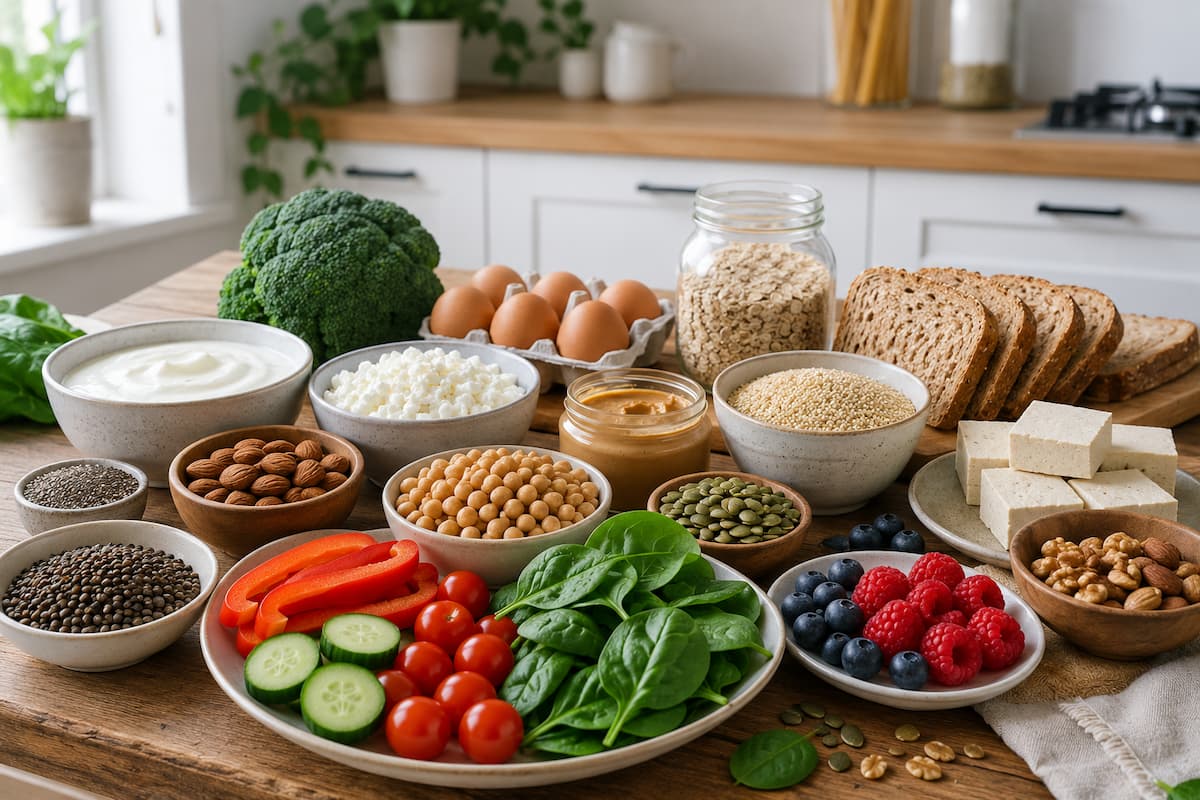
Many people struggle to eat enough protein because they assume it requires eating large amounts of meat or preparing complicated recipes. Others simply don’t know which foods offer better nutrition without changing the meals they already enjoy. Fortunately, increasing protein intake can be surprisingly simple when you know which ingredients to choose.
This guide explores practical ingredient swaps that work for breakfasts, lunches, dinners, snacks, and even desserts. You’ll also learn why protein matters, how to balance meals without overthinking nutrition, and common mistakes to avoid. Whether you’re cooking for yourself or your family, these ideas can help you create satisfying meals using ingredients you may already recognize at the grocery store.
Why Protein Matters in Everyday Meals
Protein is one of the three main nutrients your body needs every day. It plays an important role in building and repairing muscles, supporting healthy skin, producing enzymes and hormones, and helping your immune system function properly. Beyond these important jobs, protein also helps meals feel more satisfying, which may reduce the urge to snack soon after eating. Many people automatically think of chicken, steak, or protein shakes when they hear the word “protein.” While those foods certainly contain protein, they are far from the only options. Dairy products, beans, lentils, eggs, seafood, nuts, seeds, and several whole grains also contribute meaningful amounts of protein to your diet.
Rather than focusing on eating large portions of protein at one meal, it often works better to spread protein throughout the day. Small improvements at breakfast, lunch, dinner, and snack time can add up naturally without requiring major lifestyle changes. Think about improving the ingredients already in your favorite meals instead of replacing the meals themselves.
Easy Protein Swaps for Breakfast
Breakfast is often the easiest meal to improve because many traditional breakfast foods are naturally low in protein. Toast with jam or sugary cereal may provide energy, but they often leave people feeling hungry again within a short time.
- Replace Regular Yogurt with Greek Yogurt: Greek yogurt is one of the simplest upgrades you can make. It contains considerably more protein than regular yogurt because much of the liquid whey has been removed during production. It also works well with fruit, granola, smoothies, or overnight oats.
- Choose Eggs More Often: If your breakfast usually includes pastries or sweet baked goods, replacing them with eggs a few days each week can noticeably increase protein intake. Scrambled eggs, boiled eggs, or vegetable omelets require only a few ingredients and fit into many breakfast routines.
- Use Cottage Cheese: Cottage cheese has become increasingly popular because it pairs well with both sweet and savory foods. Fresh berries, sliced tomatoes, herbs, or whole-grain toast all make excellent companions while adding additional nutrients.
- Add Seeds to Oatmeal: Oatmeal already contains more protein than many breakfast cereals, but adding chia seeds, hemp seeds, pumpkin seeds, or chopped nuts increases protein while also providing fiber and healthy fats.
Choosing Better Dairy Products
Dairy products appear in many meals throughout the day, making them an excellent place to increase protein without changing recipes very much. Simple substitutions often improve nutrition while keeping familiar flavors.
| Instead of | Try | Main Benefit |
|---|---|---|
| Regular yogurt | Greek yogurt | More protein with similar flavor |
| Cream cheese | Cottage cheese spread | Higher protein and lighter texture |
| Sour cream | Plain Greek yogurt | Extra protein in dips and toppings |
| Regular milk | Ultra-filtered milk | Higher protein per serving |
Replacing Refined Grains with Higher-Protein Options
Grains make up a large portion of many meals, but not all grains offer the same nutritional value. While refined white rice, white bread, and regular pasta can certainly fit into a balanced diet, replacing them occasionally with more protein-rich alternatives can improve meals without making them feel unfamiliar.
1. Try Whole-Grain Bread
Whole grain breads often contain slightly more protein than white bread while also providing additional fiber. Some varieties even include seeds that further increase protein content and add texture.
2. Choose Protein-Enriched Pasta
Many grocery stores now sell pasta made from chickpeas, lentils, peas, or blends of legumes and wheat. These products often provide much more protein than traditional pasta while still working well with common sauces.
3. Experiment with Quinoa
Quinoa is technically a seed but is commonly prepared like rice. It contains more protein than white rice and works well in grain bowls, salads, soups, or side dishes. Its mild, slightly nutty flavor pairs easily with vegetables and lean proteins.
4. Mix Instead of Replacing
If your family prefers white rice or traditional pasta, consider mixing the higher-protein version with the regular one. Gradual changes are often easier to accept than completely changing favorite foods overnight.
Warning: Higher-protein products are helpful, but they work best as part of a balanced eating pattern rather than being treated as miracle foods.
Simple Lunch Ingredient Swaps
Lunch is often rushed, making convenience a top priority. Fortunately, several easy ingredient swaps can increase protein without requiring extra cooking time.
1. Upgrade Sandwich Fillings
Instead of relying mostly on spreads, consider adding sliced turkey, grilled chicken, tuna, boiled eggs, hummus, or cottage cheese. Combining smaller portions of several protein-rich ingredients often creates a more satisfying meal than using just one.
2. Improve Salads
A bowl of vegetables becomes much more filling when topped with protein-rich ingredients such as grilled chicken, salmon, beans, chickpeas, tofu, lentils, edamame, or hard-boiled eggs. Even a sprinkle of sunflower seeds or pumpkin seeds contributes additional protein.
3. Swap Crackers for Roasted Chickpeas
Instead of adding plain crackers to lunch, roasted chickpeas provide crunch along with more protein and fiber. They also store well, making them an easy pantry staple for busy weekdays.
4. Choose Bean-Based Soups
Soups made with lentils, split peas, black beans, or mixed legumes usually contain more protein than broth-based vegetable soups alone. Pairing these soups with whole-grain bread creates a satisfying lunch that doesn’t require much preparation.
By making these simple ingredient swaps throughout the day, you can gradually increase protein intake without giving up your favorite meals. The next part of this guide explores more plant-based protein options, additional comparison tables, shopping advice, common mistakes, meal-building strategies, frequently asked questions, trusted references, and the final SEO details.
Using Plant-Based Protein More Often
Plant-based protein is a practical choice whether you eat meat regularly or simply want more variety in your meals. Foods such as beans, lentils, chickpeas, tofu, tempeh, edamame, nuts, and seeds provide protein along with fiber, vitamins, and minerals. They are often budget-friendly, store well, and can be used in many familiar recipes.
You do not have to become vegetarian to benefit from plant protein. Replacing part of the ground meat in tacos or pasta sauce with lentils or black beans is one simple example. Adding chickpeas to salads or soups, using hummus instead of mayonnaise on sandwiches, or including tofu in a stir-fry are other easy ways to increase protein while adding texture and flavor.
Easy Plant-Based Swaps
- Replace half the ground beef with cooked lentils.
- Use hummus instead of mayonnaise in sandwiches.
- Add chickpeas to pasta salads.
- Snack on roasted edamame instead of chips.
- Mix nuts and seeds into oatmeal or yogurt.
Comparison Table of Common Protein Swaps
Small ingredient changes often produce meaningful improvements over time. The table below highlights several practical substitutions.
| Common Ingredient | Higher-Protein Swap | Where It Works Best |
|---|---|---|
| Regular yogurt | Greek yogurt | Breakfast, snacks, smoothies |
| White rice | Quinoa | Bowls, side dishes |
| White pasta | Chickpea or lentil pasta | Pasta dinners |
| Mayonnaise | Hummus | Wraps and sandwiches |
| Potato chips | Roasted chickpeas | Snacks |
| Sour cream | Greek yogurt | Tacos, baked potatoes |
| White bread | Whole-grain-seeded bread | Toast and sandwiches |
| Sugary cereal | Oatmeal with seeds | Breakfast |
Common Mistakes to Avoid
Trying to eat more protein is generally simple, but a few common habits can reduce the benefits. One mistake is focusing only on protein while forgetting vegetables, fruits, whole grains, and healthy fats. A balanced meal provides more nutrients than protein alone.
Another mistake is assuming every product labeled “high protein” is automatically healthy. Some packaged foods contain large amounts of sugar, sodium, or saturated fat. Reading nutrition labels helps you compare products instead of relying only on marketing claims. Many people also believe they need protein powder immediately. While supplements may have a place for some individuals, most healthy adults can increase protein through everyday foods.
Shopping Tips for Protein-Rich Ingredients
Planning ahead makes healthy choices easier during busy weeks. Before shopping, think about meals you already enjoy and identify one or two ingredients that could be replaced with higher-protein options.
- Read Nutrition Labels: Compare products by checking protein content per serving instead of assuming one brand is better than another.
- Buy Pantry Staples: Canned beans, dried lentils, chickpeas, tuna, oats, peanut butter, nuts, seeds, and shelf-stable milk alternatives can all help you prepare balanced meals without frequent grocery trips.
- Keep Freezer Options Available: Frozen edamame, vegetables, cooked chicken, fish, and frozen fruit make it easier to prepare quick meals while reducing food waste.
- Choose Foods You Will Actually Eat: The healthiest ingredient is not useful if it sits untouched in the pantry. Start with foods that fit your family’s preferences and cooking habits.
Building Balanced Meals Without Overthinking
Instead of measuring every gram of protein, focus on constructing meals with basic balance. A sensible way is to include one food high in protein, one wholegrain or starchy food, lots of vegetables or fruit, and a source of healthy fat.
For example, a breakfast might be Greek yogurt with fruit and nuts. Lunch may be a whole-grain bread turkey sandwich with vegetables. Chicken on the grill, quinoa, and roasted vegetables for dinner? Snacks like cottage cheese, hard-boiled eggs, roasted chickpeas, or peanut butter with apple slices can help bridge the gap between meals. The dishes are recognizable, simple to make, and don’t require pricey specialty items. The aim is to improve steadily, not to achieve perfection.
Conclusion
You don’t have to cook complex dishes, buy costly goods, or make drastic adjustments to your diet to eat more protein. Often the simplest way is the most sustainable. Substitute Greek for ordinary yogurt, try quinoa instead of white rice occasionally, go for whole-grain bread, and mix beans into soups or use hummus instead of mayo. These are little adjustments that easily mesh with daily meals.
Over time, these easy ingredient swaps can help create more enjoyable and nutritionally balanced meals without compromising convenience or familiar flavors. Start with one or two changes that work for your household, create new habits slowly, and remember that consistency is more important than perfection.
FAQs
1. Do I need protein powder to get additional protein?
No. Most individuals get all the protein they need from foods such as eggs, dairy products, beans, lentils, fish, poultry, tofu, nuts, and seeds. Protein powder can be effective in specific conditions, but most healthy folks don’t need it.
2. What breakfast foods are naturally higher in protein?
Greek yogurt, eggs, cottage cheese, oatmeal with seeds, nut butter, and high-protein milk make for easy breakfast options. Combining two of these types of foods usually makes a satisfying lunch that delivers long-lasting energy.
3. Are plant proteins as good for us as animal proteins?
Yeah. Plant proteins supply important nutrients, including fiber, vitamins, and minerals. Having a mix of plant foods throughout the week helps you eat a well-rounded diet and adds interest to your meals.
4. Are these ingredient replacements safe for kids?
Yes, in many cases. Simple, family-friendly modifications include swapping normal yogurt for Greek yogurt, adding beans to soups, or opting for whole-grain bread. Individual dietary demands differ, so parents should consider age-appropriate quantities.
5. Will eating extra protein cost me more money?
Not always. Often the cheapest protein-rich meals are eggs, beans, lentils, canned tuna, peanut butter, and cottage cheese and yogurt. Meal planning before you purchase can also assist in lowering grocery prices.
6. Should I have protein in every meal?
Including some protein at each meal may assist in establishing balanced eating patterns and may boost pleasure with the meal. It doesn’t have to be a lot; little things here and there during the day can add up to a lot.
7. How can I boost my protein intake if I don’t cook much?
Look for foods that are easy to use, such as Greek yogurt, cottage cheese, canned beans, canned tuna, rotisserie chicken, hard-boiled eggs, frozen edamame, and ready-to-eat hummus. These need very little prep but yet add protein.

Olivia Dawson is a food writer and recipe developer focused on creating clear, practical, and family-friendly cooking content. She specializes in approachable recipes made with everyday ingredients and well-explained methods that support confident cooking. Through Recipes With Olivia, Olivia shares thoughtfully crafted meal ideas designed to be reliable, enjoyable, and easy to recreate in everyday kitchens.