
Let’s be honest for a moment. When most of us hear the phrase “eating healthy,” our minds instantly picture sad, bland salads, dry chicken breasts, and a life completely stripped of comfort foods, butter, and dessert. Who actually wants to live like that?
If you try to completely overhaul your diet overnight by cutting out everything you love, it usually ends in frustration, midnight fridge raids, and a return to takeout within a week. Real, sustainable wellness isn’t about deprivation—it’s about subtle upgrades.
Over the years in my kitchen, I’ve learned that you don’t need to throw out your favorite recipes to eat better. By making simple ingredient swaps, you can keep the rich flavors and comforting textures you love while drastically reducing empty calories, unhealthy fats, and refined sugars.
In this comprehensive guide, we are going to look at practical, beginner-friendly ingredient swaps that you can start using today in your everyday cooking and baking. Whether you want to boost the protein in your breakfast, replace heavy cream without losing that creamy texture, or find better alternatives for everyday baking, these small changes will transform your meals.
Part 1: Why Small Ingredient Swaps Beat Extreme Diets
Before we jump into the specific swaps, let’s talk about the psychology of cooking. Extreme diets fail because they fight against human nature. If your brain is wired to crave rich, satisfying textures, forcing yourself to eat flavorless cardboard-like food will never work long-term.
The Power of “Lateral Swaps”
A lateral swap means changing an ingredient for something that mimics its function and texture, but brings a higher nutritional value. For example:
-
Instead of removing creamy elements entirely, we swap heavy cream for blended cottage cheese or Greek yogurt.
-
Instead of eliminating baked goods, we swap refined white flour and sugar for whole-grain oats and natural fruit sweetness.
These changes are subtle enough that your family won’t even notice the difference, but powerful enough to shift your overall daily nutrition in a positive direction.
(Note: Throughout this guide, to help you visualize these cooking techniques and see them in action, we have embedded helpful video search links from various creators across YouTube. We love sharing and highlighting fantastic culinary demonstrations from other home cooks and chefs to make your learning experience even easier!)
Part 2: Upgrading Your Breakfast & Morning Routine
Breakfast is often where we consume the most hidden sugars and refined carbs—think sugary cereals, white toast with butter, and flavored coffees. Let’s look at how a few simple swaps can change your morning.
1. Swap White Toast for Overnight Oats or Whole-Grain Bases
White bread spikes your blood sugar quickly, leaving you hungry an hour later. Swapping it for rolled oats gives your body slow-releasing complex carbohydrates and fiber.
-
The Swap: Swap refined breakfast pastries or white toast for homemade overnight oats or high-protein oat pancakes.
-
Why it works: Oats are packed with soluble fiber (beta-glucan), which helps lower cholesterol and keeps you feeling full all morning.
2. Swap Flavored Yogurt for Plain Greek Yogurt
Store-bought flavored yogurts often contain as much sugar as a candy bar.
-
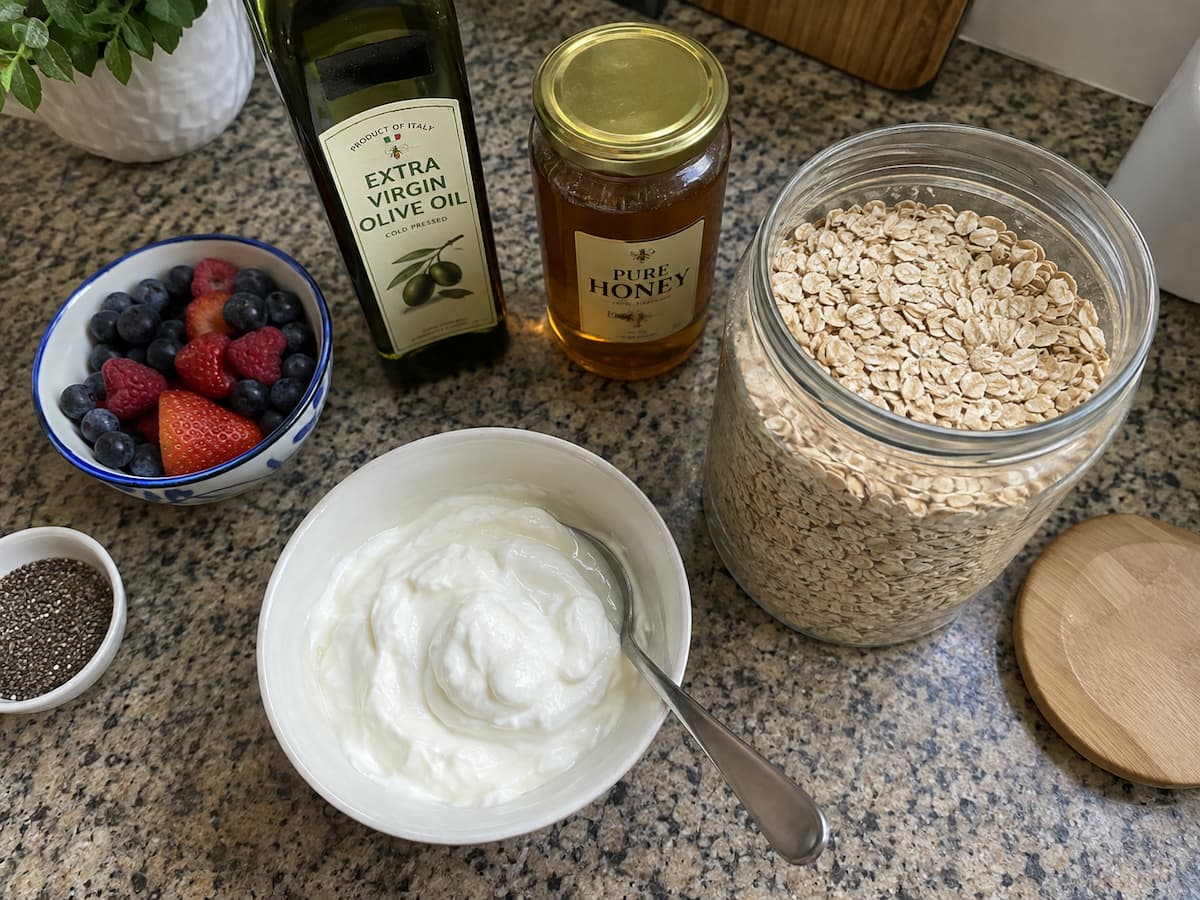
The Swap: Buy plain Greek yogurt and sweeten it yourself using a tiny drizzle of honey, fresh berries, and a dash of cinnamon.
-
Why it works: You instantly slash the processed sugar content while doubling your protein intake, which supports muscle maintenance and sustained energy.
Part 3: Clever Swaps for Sauces, Soups & Creamy Dishes
One of the hardest parts of eating lighter is giving up rich, velvety sauces. Fortunately, you don’t actually have to give them up—you just need to change your thickening agents.
3. Swap Heavy Cream for Blended Cottage Cheese or Cashew Cream
Heavy cream makes soups and pasta sauces taste incredible, but it is heavily loaded with saturated fats and calories.
-
The Swap: In creamy pasta sauces, blended soups, or dips, swap heavy cream for equal parts whole milk blended with a scoop of plain cottage cheese, or use soaked and blended cashews.
-
Why it works: Once blended smooth, cottage cheese completely loses its texture and melts into a rich, velvety liquid that mimics heavy cream, but adds a massive punch of protein with a fraction of the fat.
4. Swap Store-Bought Salad Dressings for Homemade Vinaigrettes
Most commercial salad dressings are packed with soybean oils, artificial preservatives, and hidden sugars.
-
The Swap: Make a 1-minute dressing at home using extra virgin olive oil, fresh lemon juice or apple cider vinegar, a touch of mustard, salt, and pepper.
-
Why it works: You control every ingredient. You get healthy monounsaturated fats from the olive oil without any mystery chemicals or refined sugars.
Part 4: Baking & Sweet Treat Swaps That Actually Taste Good
Baking is a science, which makes swapping ingredients a bit trickier than regular cooking. However, you can make significant health upgrades to your everyday treats without ruining the texture.
5. Swap Refined White Sugar for Natural Fruit Purees or Honey
Refined white sugar offers zero nutritional value and causes rapid blood sugar spikes.
-
The Swap: In baking muffins, cookies, or quick breads, swap half of the sugar for mashed ripe bananas, unsweetened applesauce, or pure maple syrup.
-
Why it works: Fruits like bananas and applesauce add natural moisture to baked goods, meaning you can often reduce both the sugar and the butter/oil at the same time!
6. Swap All-Purpose Flour for Oat Flour or Whole Wheat Pastry Flour
While white flour is heavily processed and stripped of its natural fiber, whole-grain alternatives keep your digestion running smoothly.
-
The Swap: Blend regular rolled oats in a food processor until they turn into a fine powder, and use that “oat flour” in your pancakes, cookies, and waffles.
-
Why it works: You get the wholesome fiber of whole grains without buying expensive specialty ingredients. It creates a soft, comforting texture in home baking.
Part 5: The Ultimate Ingredient Swap Cheat Sheet
To make your meal planning effortless, keep this quick reference guide handy the next time you are cooking or grocery shopping:
| Conventional Ingredient | Healthier Everyday Swap | Why It Makes a Difference |
| Heavy Cream | Blended Cottage Cheese / Greek Yogurt | Drastically cuts fat while adding high-quality protein. |
| White Rice | Cauliflower Rice or Quinoa | Lowers glycemic impact and adds fiber and minerals. |
| Store-Bought Dressing | Olive Oil & Lemon Juice Vinaigrette | Eliminates refined oils and hidden chemical preservatives. |
| Refined White Sugar | Mashed Banana / Applesauce / Honey | Adds natural moisture, fiber, and micronutrients. |
| Butter / Shortening (in baking) | Pureed Avocado or Plain Greek Yogurt | Replaces heavy saturated fats with healthy fats and protein. |
| All-Purpose Flour | Blended Oat Flour or Whole Wheat Flour | Increases fiber content to keep you feeling full longer. |
Frequently Asked Questions About Ingredient Swaps
Will my family notice if I make these swaps? In most cases, if you make gradual changes (like mixing half white rice with half cauliflower rice, or using blended cottage cheese in a rich pasta sauce), your family won’t even notice the difference in taste! Flavor comes mostly from spices, garlic, herbs, and proper seasoning.
Are these swaps expensive? Not at all! In fact, many of these swaps—like using oats instead of fancy flours, buying canned tuna or beans, and making your own salad dressings at home—are actually much cheaper than buying processed specialty “diet” foods from the grocery store.
Do I have to change everything at once? Absolutely not. The golden rule of sustainable eating is to pick one swap per week. Start by making your own salad dressings, and once that feels normal, try swapping your breakfast routine. Small, consistent steps lead to permanent lifestyle changes.
Final Thoughts
Eating healthier does not require a culinary degree, a massive budget, or a complete sacrifice of the foods you love. By embracing these simple ingredient swaps, you can transform your everyday meals into nourishing, satisfying dishes that support your goals without ever feeling like you are on a restrictive diet.
Remember to keep experimenting in the kitchen, focus on whole ingredients, and most importantly, enjoy what you eat!
Have you tried any of these ingredient swaps in your own kitchen? Which one is your absolute favorite? Let me know in the comments below, and don’t forget to share this guide with a friend who loves to cook!

Olivia Dawson is a food writer and recipe developer focused on creating clear, practical, and family-friendly cooking content. She specializes in approachable recipes made with everyday ingredients and well-explained methods that support confident cooking. Through Recipes With Olivia, Olivia shares thoughtfully crafted meal ideas designed to be reliable, enjoyable, and easy to recreate in everyday kitchens.