
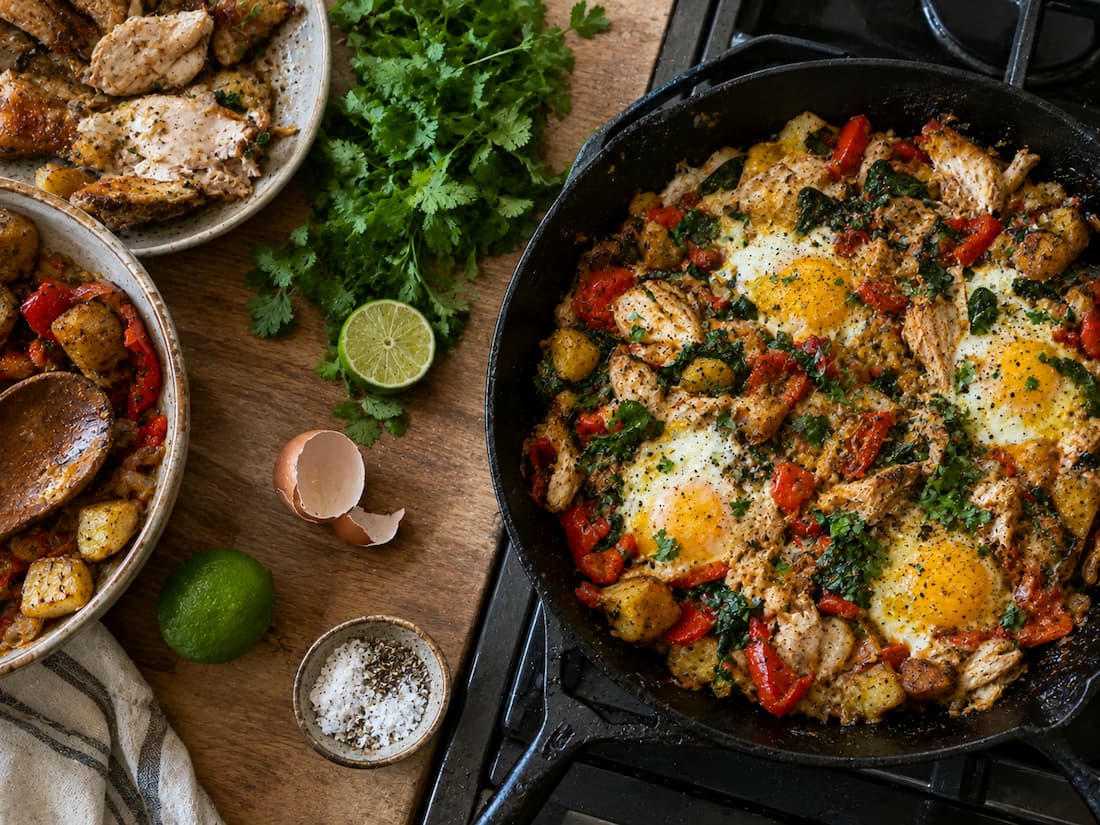
We are all familiar with the disappointment of the next-day lunch. You open the refrigerator, pull out a plastic container filled with last night’s spectacular dinner, pop it into the microwave for two minutes, and sit down to eat. But what was once a vibrant, crispy, and deeply flavorful meal has somehow transformed into a soggy, muted, and completely uninspiring plate of mush.
This depressing cycle is the number one reason why so much good food ends up in the trash. When leftovers feel like a culinary punishment rather than a convenient reward, we naturally avoid them.
However, culinary professionals and seasoned home cooks know a secret: a meal cooked yesterday is actually a goldmine of pre-developed flavor. By simply changing your reheating techniques and introducing a few fresh elements, you can completely disguise yesterday’s dinner, transforming it into a meal that tastes entirely deliberate and brand-new.
In this comprehensive guide, we will explore the kitchen science of reviving old food. You will learn why the microwave is destroying your meals, how to manipulate textures to trick your palate, and the ultimate formulas for turning solitary leftover ingredients into spectacular new dishes.
Section 1: The Golden Rule of Reheating (Ditch the Microwave)
To understand why leftovers usually taste bad, we have to look at the primary culprit: the microwave. Microwaves heat food by agitating water molecules. While this is incredibly fast, it essentially steams your food from the inside out. Any ingredient that was originally roasted, fried, or baked with a crispy exterior will instantly become rubbery and limp when microwaved.
If you want leftovers to taste fresh, you must reheat them using the same method that cooked them in the first place.
The Skillet Resurrection
If you have leftover roasted vegetables, steak, grilled chicken, or even a slice of pizza, the stovetop skillet is your best friend. Heat a cast-iron or non-stick pan over medium heat with a tiny splash of olive oil or butter. Toss your leftovers in. The direct, dry heat will evaporate the excess moisture that built up in the refrigerator overnight, restoring the crispy edges and caramelizing the natural sugars all over again.
The Oven and Air Fryer Revival
For larger items like casseroles, roasted potatoes, or breaded meats, use the oven or an air fryer. Set the temperature to 375°F (190°C). If you are using an oven, cover the food lightly with foil for the first few minutes so it heats through without drying out, then remove the foil at the end to crisp up the exterior. The dry circulating air brings back the crunch that the refrigerator stole.
Section 2: Change the Form Factor (Chop, Shred, and Stuff)
The human brain is heavily influenced by visual cues. If you put the exact same piece of leftover chicken breast on a plate next to the exact same leftover broccoli, your brain immediately registers it as “yesterday’s food,” and your excitement drops. To make a meal feel new, you must completely change its physical form.
The Power of Shredding and Chopping
Never serve a leftover piece of meat in its original shape. If you have a leftover pork chop or a piece of grilled chicken, take two forks and shred it completely, or take a chef’s knife and dice it into small, uniform cubes. Once the meat is chopped, its entire identity changes. That diced chicken is no longer a dry breast; it is now the perfect filling for a heavily spiced taco, a topping for a loaded baked potato, or the protein base for a rich pasta sauce.
The “Stuff It” Strategy
If you have a random assortment of leftover rice, a few stray vegetables, and some meat, the easiest way to make them feel cohesive is to stuff them inside something else.
-
Wraps and Burritos: A warm flour tortilla can hide almost any leftover. Add some fresh cheese, wrap it tightly, and toast it in a pan until crispy.
-
Stuffed Peppers and Squash: Hollow out a bell pepper or a zucchini, mix your leftovers with a little tomato sauce and cheese, stuff the vegetable, and bake it. It instantly looks like a gourmet, intentional dinner.
Section 3: Add Freshness and Crunch (The Contrast Principle)
When food sits in the refrigerator overnight, its flavors often meld together and become heavy, while its textures soften into uniformity. A meal that is entirely soft and heavy is boring to the palate. To wake up a leftover dish, you must reintroduce the two things it lost: acid and crunch.
Waking Up Flavors with Acid
Cold temperatures mute flavors. A stew or curry that tasted vibrant on Tuesday will taste surprisingly flat on Wednesday. Do not just reach for the salt shaker. Instead, reach for acid. A squeeze of fresh lemon or lime juice, a splash of apple cider vinegar, or a spoonful of pickled red onions cuts through the heavy, muted flavors and immediately brightens the entire profile of the dish.
Restoring the Crunch
If your leftover meal consists of soft rice and tender cooked vegetables, your mouth needs a textural contrast. Before you serve the reheated dish, garnish it heavily with something loud and crunchy.
-
Toasted pumpkin seeds or slivered almonds.
-
Freshly chopped green onions or crisp radishes.
-
Crushed tortilla chips or toasted breadcrumbs. By adding a fresh, crispy element right at the end, your brain registers the entire meal as freshly prepared.
Section 4: The Ultimate Leftover Transformation Vehicles
Every home cook should memorize a few master “vehicle” recipes. These are highly forgiving dishes designed specifically to absorb random leftovers and turn them into something spectacular.
1. The “Clean the Fridge” Fried Rice
Fried rice actually requires leftover, day-old cold rice to work properly (fresh rice turns to mush in a wok). Heat a wok or large pan until it is smoking hot. Add some oil, toss in your chopped leftover meats and any random vegetables you have. Add the cold rice, a splash of soy sauce, a dash of sesame oil, and scramble a fresh egg right into the middle of the pan. In five minutes, yesterday’s boring remnants become a restaurant-quality Asian dish.
2. The Morning-After Frittata
Eggs are the great unifier of the kitchen. If you have leftover roasted potatoes, some wilted spinach, and a bit of cheese, do not throw them away. Heat them in an oven-safe skillet, pour six beaten eggs over the top, and bake at 375°F (190°C) until golden and puffy. A frittata elevates random scraps into a stunning brunch centerpiece.
3. The Quick Simmer Curry
If you have leftover plain vegetables and cooked meat that have dried out in the fridge, the best way to rescue them is by introducing a heavy, moisture-rich sauce. Simmer a can of coconut milk with two tablespoons of store-bought curry paste. Once it is bubbling and fragrant, drop your chopped leftovers into the hot liquid just long enough to warm them through. The rich, heavily spiced sauce masks any stale flavors and rehydrates the dry ingredients perfectly.
Frequently Asked Questions
Is it safe to reheat leftovers more than once? From a food safety perspective, you should only reheat leftovers exactly once. Every time you cool and reheat food, it passes through the “danger zone” (40°F to 140°F), where bacteria multiply rapidly. If you have a large batch of food, only scoop out and reheat the exact portion you plan to eat right now.
How do I reheat leftover pasta without it turning to mush? Do not use the microwave! Put the cold pasta in a sauté pan over medium-low heat. Add a splash of water or chicken broth to the pan. The liquid will create steam to gently loosen the noodles, and as it evaporates, it will revive the sauce without overcooking the pasta itself.
Why does chicken sometimes taste weird the next day? This is a documented culinary phenomenon known as “Warmed-Over Flavor” (WOF). It happens when the polyunsaturated fats in the meat oxidize in the refrigerator. To mask this slightly metallic taste, shred the chicken and toss it with a highly acidic or deeply spiced sauce (like BBQ sauce, buffalo sauce, or a heavy curry) rather than eating it plain.
Sources & Culinary References
The principles of flavor manipulation, temperature control, and food safety discussed in this guide are grounded in established culinary science and recognized kitchen standards:
-
The Science of Warmed-Over Flavor (WOF): Documented extensively in modern food science literature, explaining lipid oxidation in cooked meats and why heavy spices and acids are required to mask off-flavors in leftover poultry.
-
USDA Food Safety and Inspection Service (FSIS): Official guidelines on the safe cooling, storage, and reheating of leftovers to prevent bacterial growth and foodborne illness.
-
Texture and Flavor Contrast: The foundational culinary principles of balancing soft textures with crunchy garnishes, and heavy fats with bright acids, are thoroughly explored in Samin Nosrat’s authoritative culinary guide, Salt, Fat, Acid, Heat.

Olivia Dawson is a food writer and recipe developer focused on creating clear, practical, and family-friendly cooking content. She specializes in approachable recipes made with everyday ingredients and well-explained methods that support confident cooking. Through Recipes With Olivia, Olivia shares thoughtfully crafted meal ideas designed to be reliable, enjoyable, and easy to recreate in everyday kitchens.