
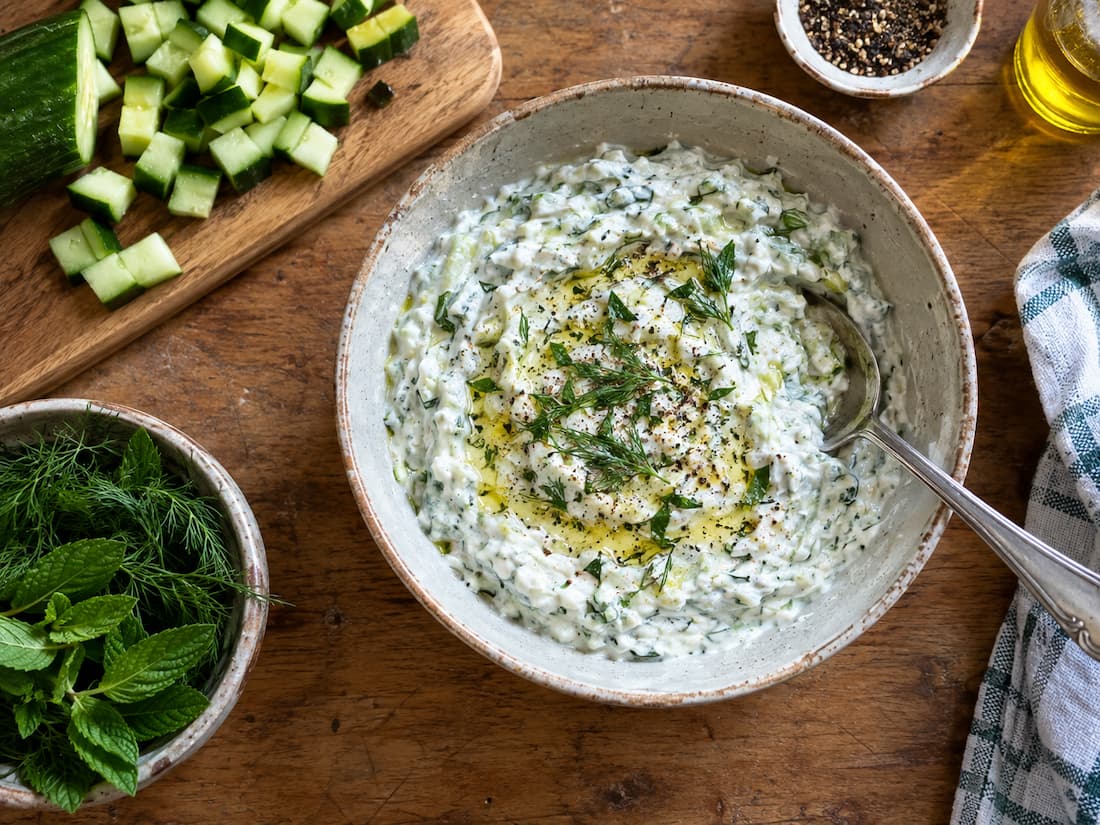
Picture this: You are hosting a small gathering or preparing a cozy snack night at home. You spend time chopping fresh herbs, mincing garlic, and whisking together a gorgeous, velvety homemade dip—whether it’s a creamy tzatziki, a vibrant garlic herb spread, or a rich sour cream-based party dip. It looks thick, luxurious, and completely appetizing.
You cover the bowl tightly with plastic wrap, slide it into the refrigerator so the flavors can marry and chill, and feel a quiet sense of kitchen accomplishment.
Then, two hours later, you open the fridge to get ready for your guests. You peel back the wrap, and your heart sinks. Sitting right on top of your beautiful dip is an unappealing, watery puddle. The edges look separated, the texture has gone thin and grainy, and what was once a thick spread now looks watery and uninviting. If this culinary heartbreak has ever happened to you, take a deep breath. You are not a bad cook; you have simply fallen victim to a very common kitchen phenomenon called syneresis.
Understanding why homemade dips weep and turn watery after refrigeration doesn’t require a degree in food science. It simply requires understanding how ingredients interact with moisture, salt, and temperature. In this comprehensive guide, we are going to explore the scientific reasons behind watery dips, the common culprits hiding in your mixing bowl, and the foolproof kitchen techniques you can use to keep your dips thick, creamy, and stable every single time.
Section 1: The Kitchen Science of “Syneresis” (Why Dips Weep)
To fix a watery dip, we first need to look at what is happening on a microscopic level. In food science, the leaking of liquid from a gel or a suspended mixture is called syneresis.
When you whip up a creamy dip using ingredients like yogurt, sour cream, mayonnaise, or cream cheese, you are creating a delicate suspension. The fats, proteins, and thickeners form a web-like matrix that traps pockets of water.
However, this matrix is fragile. When exposed to certain triggers—such as salt, temperature changes, or cell walls breaking down over time—that protein web contracts. As it tightens up like a squeezed sponge, it forces the trapped water out of the mixture. The water has nowhere to go, so it pools on the surface of your dip.
Let’s look at the three most common triggers that cause your homemade dips to turn watery in the fridge.
Section 2: Culprit #1 – The Invisible Power of Salt and Osmosis
Salt is essential for flavor. Without it, even the creamiest dip will taste flat and lifeless. But salt has a secondary superpower that can completely ruin your dip if you aren’t careful: osmosis.
When you add salt directly to a mixture containing fresh vegetables (such as cucumbers in tzatziki, tomatoes in salsa, or onions in a creamy herb dip), the salt creates an osmotic imbalance.
-
The Science of Osmosis: Salt draws moisture out of surrounding plant cells through their cell walls in an attempt to balance concentrations.
-
The Result: If you toss freshly chopped, salted cucumbers directly into yogurt without draining them first, the salt will pull gallons of water out of those cucumbers over the next hour in the fridge. That water instantly floods your creamy base, turning your thick dip into soup.
The Fix:
Always salt and drain high-moisture vegetables before they touch your dairy base. Toss your grated cucumbers or chopped tomatoes with a pinch of salt in a colander and let them sit for 15 minutes. You will be amazed at how much water drips out. Pat them completely dry with a paper towel before folding them into your dip.
Section 3: Culprit #2 – High-Water Ingredients and Untreated Dairy
Not all dairy products are created equal when it comes to holding their structure. If you start with a base that already contains a high amount of loose liquid, your dip is destined to separate.
1. Regular Yogurt vs. Greek Yogurt
Regular commercial yogurt contains a massive amount of liquid whey. If you use standard plain yogurt as the base for a dip, it will almost always weep in the fridge because the protein matrix isn’t dense enough to hold all that water.
-
Solution: Always use Greek yogurt or strain regular yogurt through cheesecloth for a few hours to remove the excess whey.
2. High-Water Mix-Ins
Ingredients like fresh cucumbers, zucchini, bell peppers, and citrus juices carry a lot of hidden water weight. If you add too much fresh lemon juice or wet ingredients without balancing them with solid thickeners (like mayonnaise, cream cheese, or crumbled feta), the liquid will eventually break the emulsion.
Section 4: Culprit #3 – Temperature Fluctuations and Freeze-Thaw Damage
Where you store your dip in the refrigerator matters just as much as how you make it.
Many home cooks store their leftover dips in the door of the refrigerator for easy access. However, the door is the warmest part of the fridge, and every time you open it to grab milk or snacks, the temperature fluctuates wildly.
Furthermore, if your dip gets pushed too far back toward the cooling element and experiences micro-freezing, the ice crystals will puncture the fat and protein emulsions. When those ice crystals melt, the structure is permanently broken, leaving behind a watery, separated mess that cannot be un-mixed.
The Storage Rule:
Store your dips in an airtight container on a middle or lower shelf inside the main body of the refrigerator where the temperature remains stable and cold (around 35°F to 38°F).
Section 5: Step-by-Step Guide to Making Dips That Never Go Watery
Let’s put these principles into a practical blueprint. The next time you make a homemade dip, follow these golden rules to guarantee a thick, stable texture.
Step 1: Choose a Stable Base
Start with high-fat, low-moisture foundation ingredients. Full-fat Greek yogurt, sour cream, mayonnaise, or softened cream cheese provide a strong, stable protein web that naturally resists weeping.
Step 2: Sweat and Dry Your Veggies
If your recipe calls for grated cucumbers, onions, or fresh watery vegetables:
-
Chop or grate the vegetables.
-
Place them in a fine-mesh strainer or colander.
-
Sprinkle with a small pinch of salt and let rest for 15 minutes.
-
Wrap them in a clean kitchen towel or paper towels and squeeze aggressively until every drop of excess liquid is wrung out.
Step 3: Add Natural Stabilizers (If Needed)
If you are making a large batch of dip that needs to sit in the fridge for a party the next day, you can use subtle, natural stabilizers:
-
A spoonful of mayonnaise or cream cheese: The fats act as natural emulsifiers.
-
A pinch of cornstarch or gelatin: Used in small amounts in commercial spreads to lock in moisture (though rarely needed at home if proper draining is done).
Step 4: Seal Properly
Always store your dip in an airtight glass or plastic container with a tight lid. If you must use plastic wrap, press the wrap directly onto the surface of the dip so there is no air gap. This prevents condensation from forming on the lid and dripping back down into your food.
Frequently Asked Questions About Watery Dips
Can I rescue a dip that has already turned watery in the fridge? Yes, you can often save it! If you open your container and see a pool of water on top, do not pour it down the drain immediately (unless it smells spoiled). Pour off the excess liquid, take a clean spoon or whisk, and vigorously beat the dip back together. If it is still too thin, fold in a tablespoon of mayonnaise, thick Greek yogurt, or softened cream cheese to restore the body.
Why does homemade hummus sometimes get watery? Homemade hummus usually turns watery if too much water or lemon juice was added during the blending process, or if the chickpeas weren’t drained well. To fix a runny hummus, add an extra tablespoon of tahini (sesame paste) or a handful of drained chickpeas and blend again.
How long do homemade dairy dips safely last in the refrigerator? Most creamy, sour-cream or yogurt-based homemade dips will stay fresh and stable for 3 to 4 days when stored properly in an airtight container. Always check for off odors or discoloration before serving.
Final Thoughts
A watery dip doesn’t mean your cooking skills are lacking; it is simply a reminder that food is alive with moisture and chemistry. By taking two extra minutes to salt and squeeze your vegetables, choosing stable dairy bases, and avoiding temperature swings in your fridge, you can banish watery puddles from your kitchen forever.
The next time you prep a party spread, your dips will stay as thick, velvety, and delicious at the end of the night as they were when you first whisked them together.
Have you ever struggled with watery dips during meal prep? What is your favorite dip to make at home? Let us know your kitchen tips and tricks in the comments below!

Olivia Dawson is a food writer and recipe developer focused on creating clear, practical, and family-friendly cooking content. She specializes in approachable recipes made with everyday ingredients and well-explained methods that support confident cooking. Through Recipes With Olivia, Olivia shares thoughtfully crafted meal ideas designed to be reliable, enjoyable, and easy to recreate in everyday kitchens.